Roman Baths Sculptures
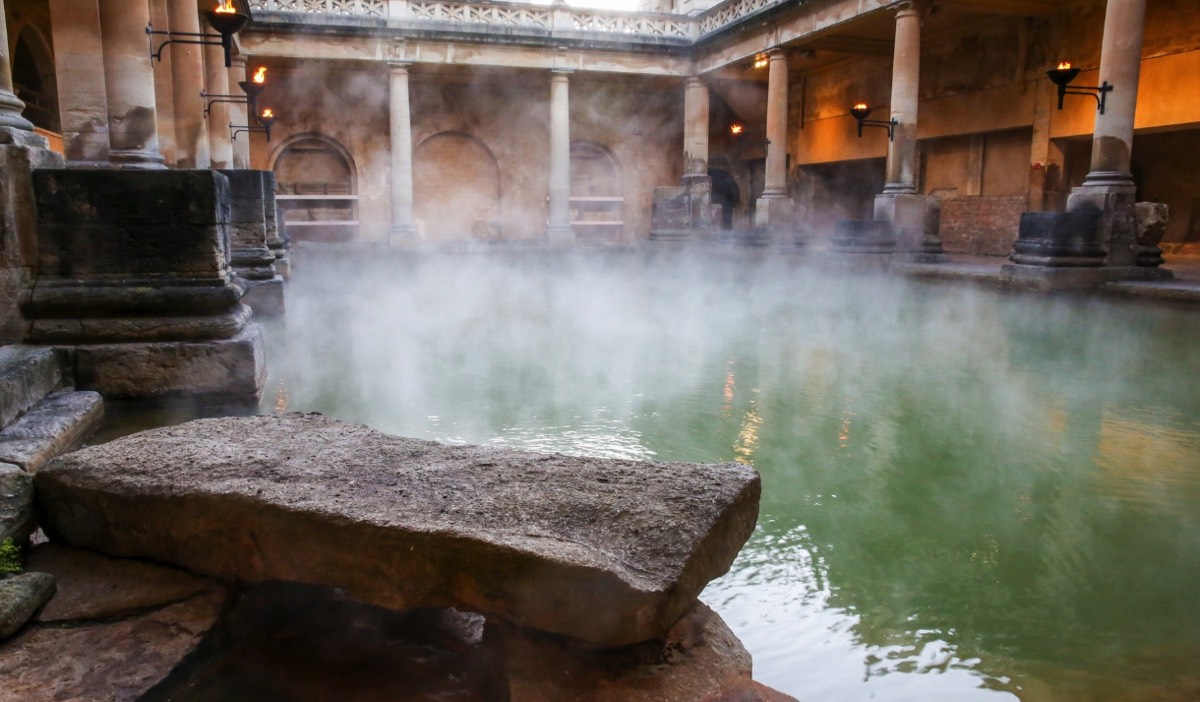
World Heritage City of Bath
Roman Baths were magnificent public bathing complexes, central to Roman life for hygiene, health, relaxation, and socializing, featuring heated rooms like calidarium, tepidarium, frigidarium and pools, with famous sites like Aquae Sulis of Bath, built around natural hot springs, combining bathing with temple worship for deities like Sulis Minerva, showcasing advanced engineering like the hypocaust heating system and grand architecture, serving as vital cultural hubs for all societal levels.
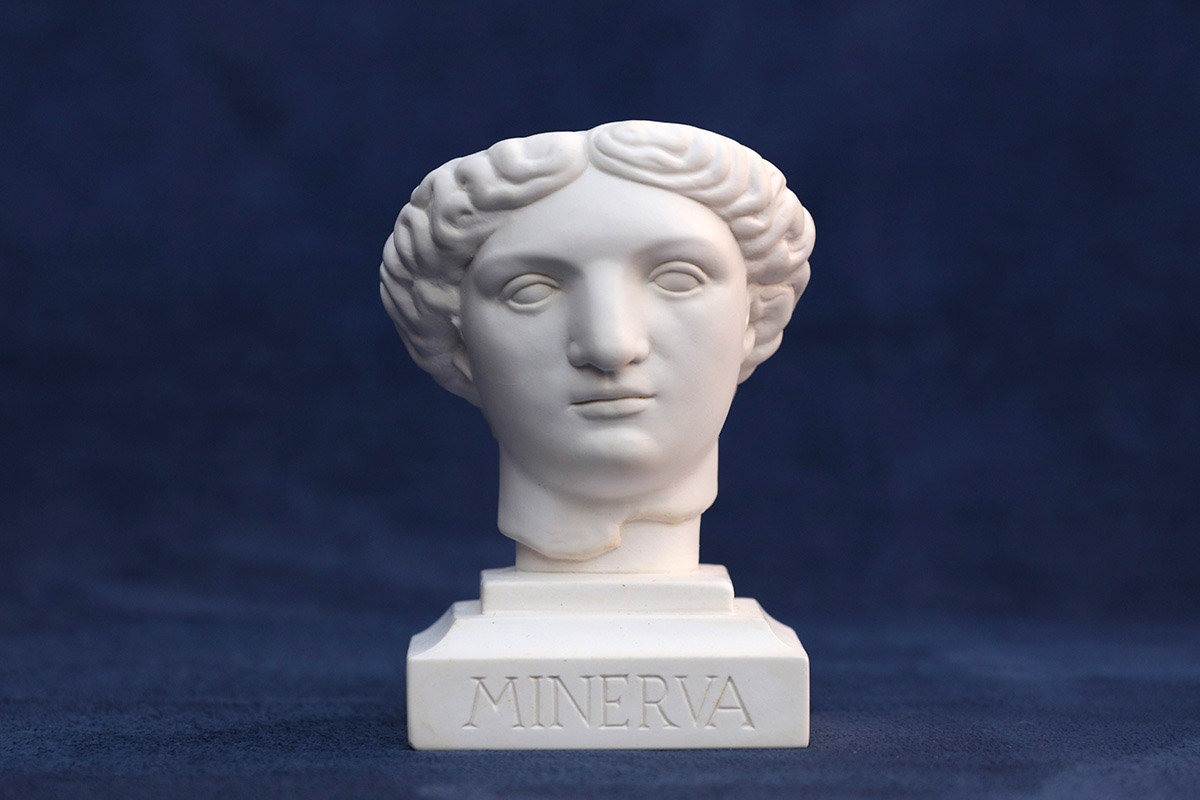
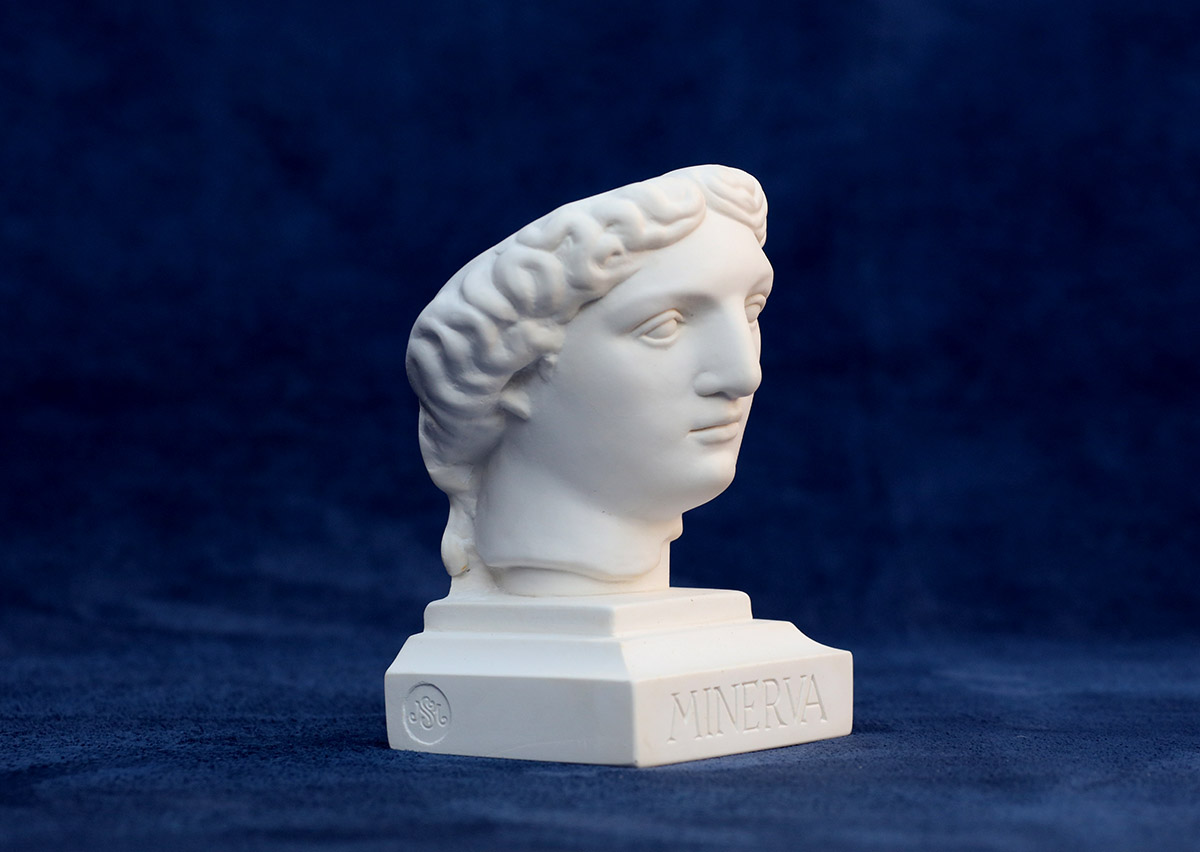
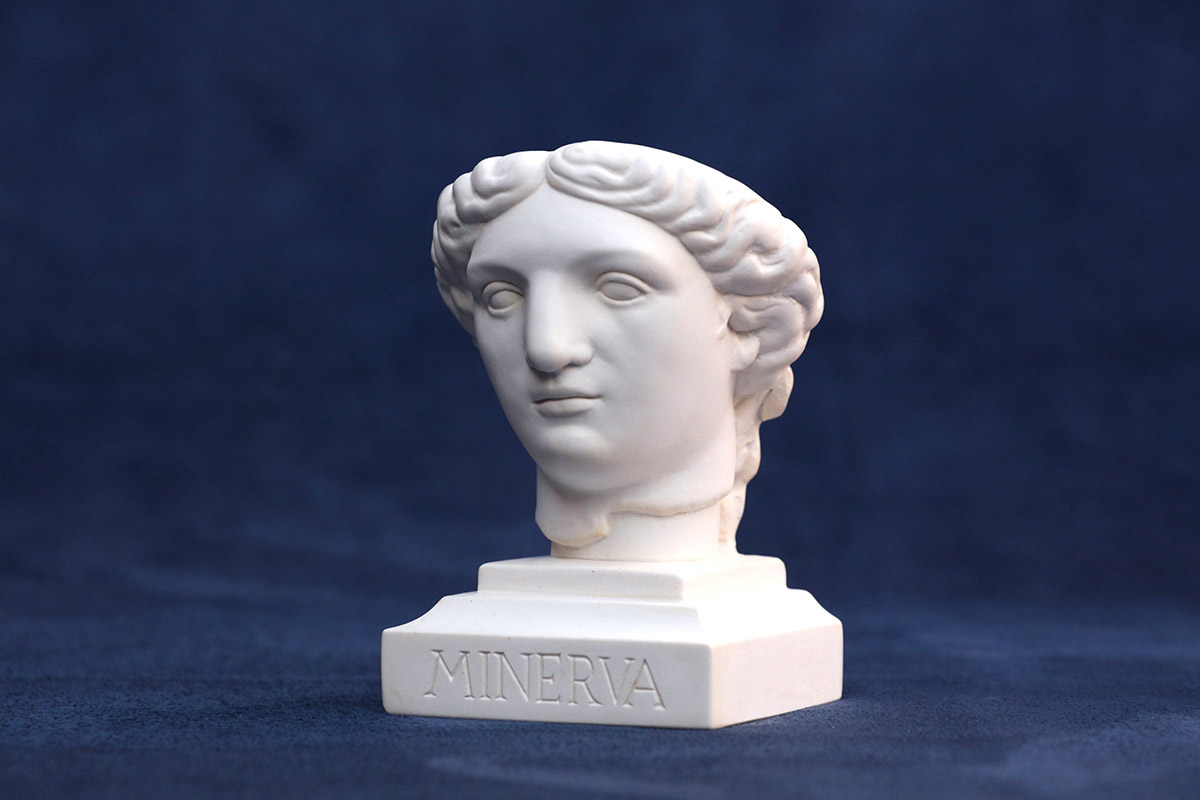
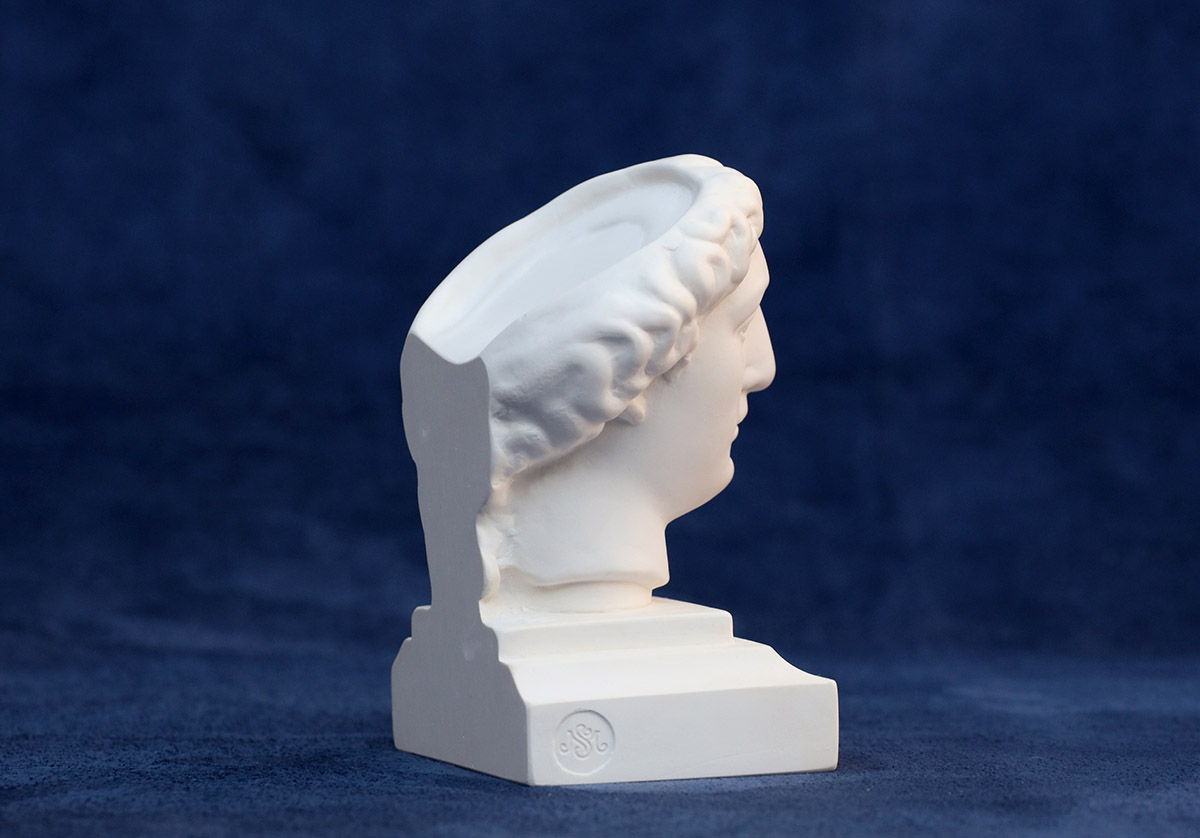
The head of the goddess Minerva
Plaster
Plaster
More Info
Its discovery in 1727 was an early indication that the Roman site at Bath was not a typical settlement. Gilt bronze sculptures are rare finds from Roman Britain as only two other fragments are known.
The head is probably from the cult statue of the goddess which would have stood within her Temple beside the Sacred Spring. The statue may well be an original object from the foundation of the site in the later first century AD, which means that it was probably well over 300 years old when it met its demise.
The head is probably from the cult statue of the goddess which would have stood within her Temple beside the Sacred Spring. The statue may well be an original object from the foundation of the site in the later first century AD, which means that it was probably well over 300 years old when it met its demise.
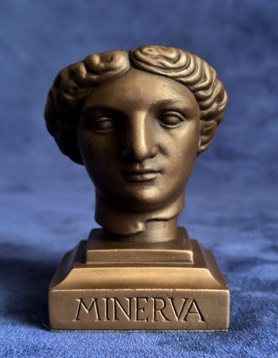
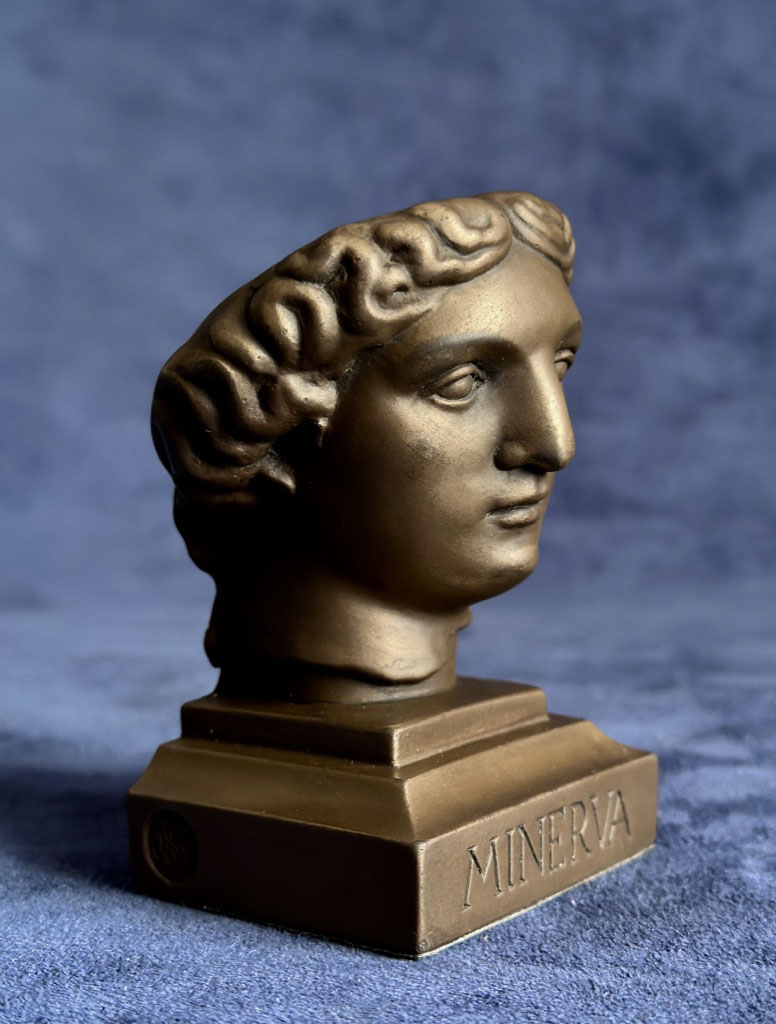
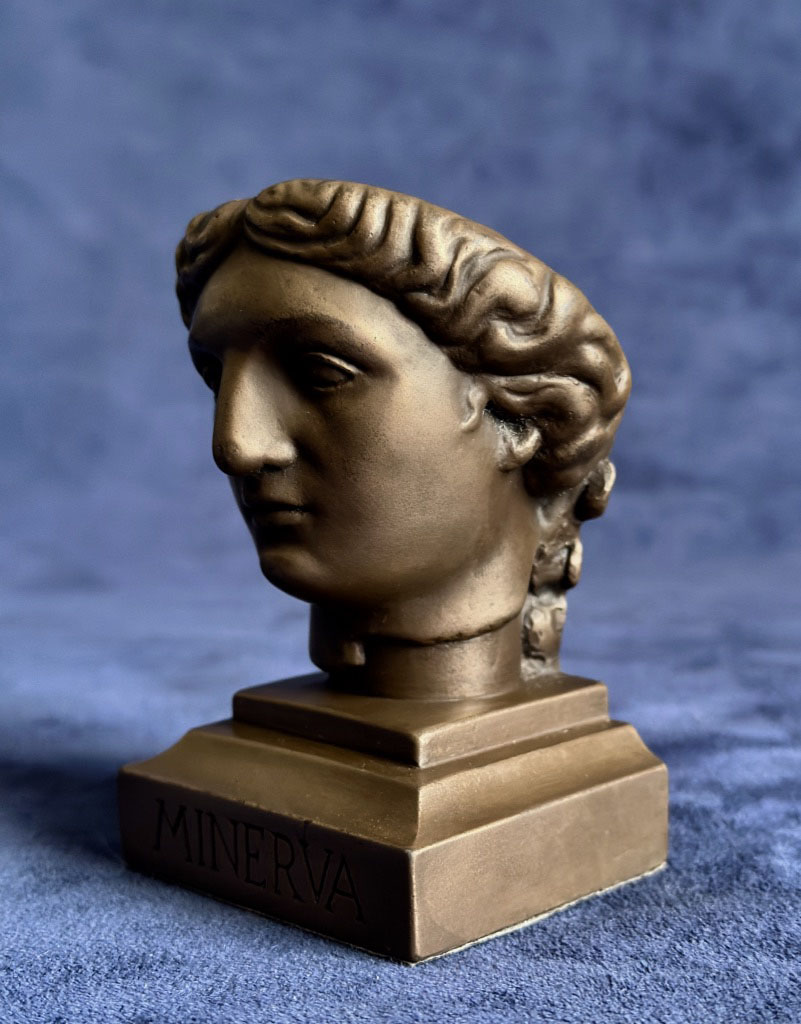
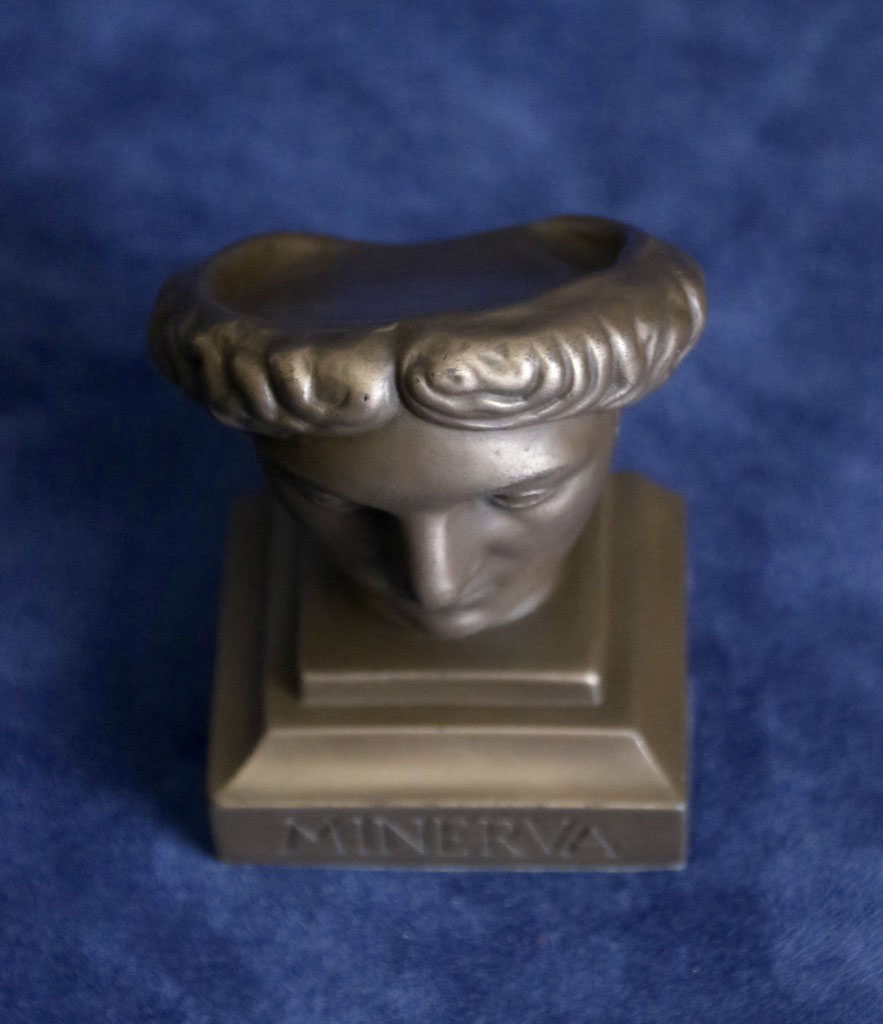
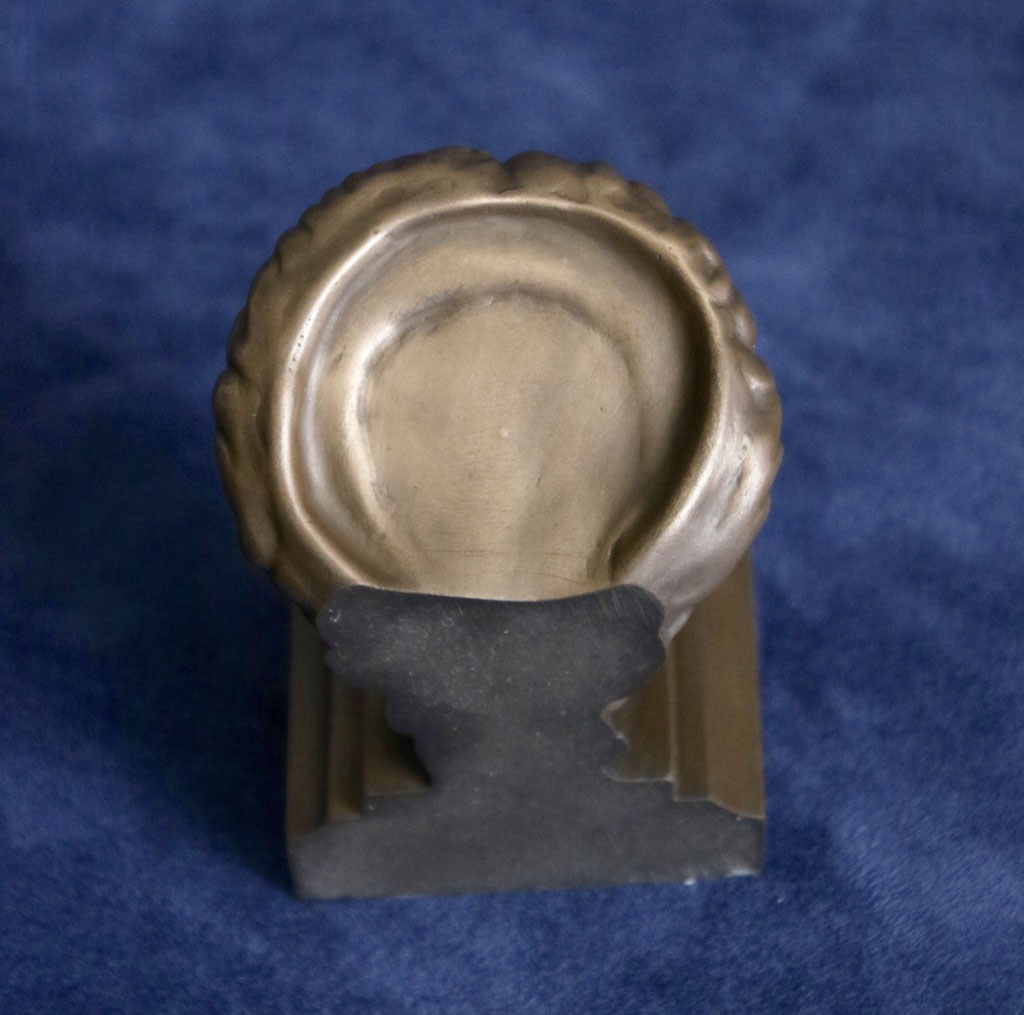
The head of the goddess Minerva
Bronze Gilt
Bronze Gilt
More Info
Its discovery in 1727 was an early indication that the Roman site at Bath was not a typical settlement. Gilt bronze sculptures are rare finds from Roman Britain as only two other fragments are known.
The original revealed that it has six layers of gilding. The first two use a technique known as fire gilding whilst the four later layers are applied as gold leaf. The head has a number of imperfections.
The original revealed that it has six layers of gilding. The first two use a technique known as fire gilding whilst the four later layers are applied as gold leaf. The head has a number of imperfections.
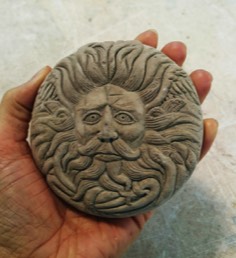
Gorgons Head
small Plaque
This small wall plaque is a unique take away gift in memory of your visit of the Roman Baths of Bath.
small Plaque
This small wall plaque is a unique take away gift in memory of your visit of the Roman Baths of Bath.
More Info
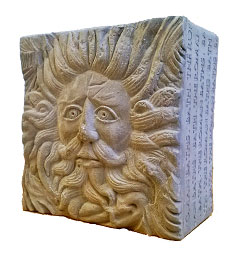
Gorgons Head Paperweight
The Gorgon’s Head is traditionally associated with the female Gorgon Medusa, a symbol of Minerva, yet the face has masculine features, sparking debate that it may depict a Celtic sun god or the water deity Oceanus.
The Gorgon’s Head is traditionally associated with the female Gorgon Medusa, a symbol of Minerva, yet the face has masculine features, sparking debate that it may depict a Celtic sun god or the water deity Oceanus.
More Info
This model has inscriptions of the Roman Baths around all four sides of the cube of this Paperweight.
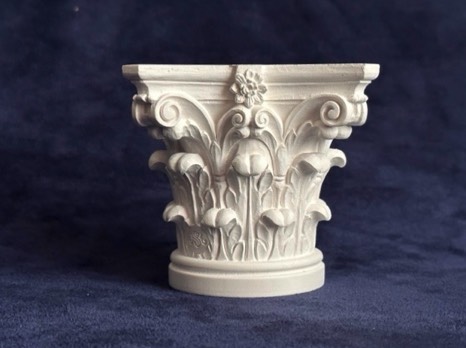
Corinthian Column Paperweight
This model is based on the Henri Gaudier-Brzeska Sleeping Fawn sculpture that is a firm favourite in the Kettle's Yard collection.
This model is based on the Henri Gaudier-Brzeska Sleeping Fawn sculpture that is a firm favourite in the Kettle's Yard collection.
More Info
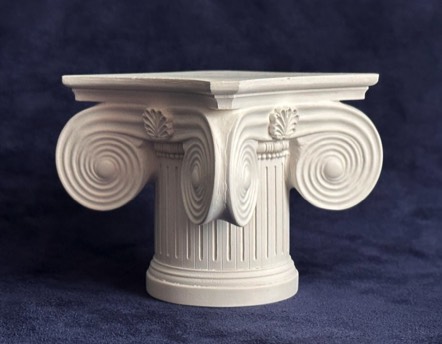
Ionic Column Paperweight
The Gorgon’s Head is traditionally associated with the female Gorgon Medusa, a symbol of Minerva, yet the face has masculine features, sparking debate that it may depict a Celtic sun god or the water deity Oceanus.
The Gorgon’s Head is traditionally associated with the female Gorgon Medusa, a symbol of Minerva, yet the face has masculine features, sparking debate that it may depict a Celtic sun god or the water deity Oceanus.
More Info
This model has inscriptions of the Roman Baths around all four sides of the cube of this Paperweight.
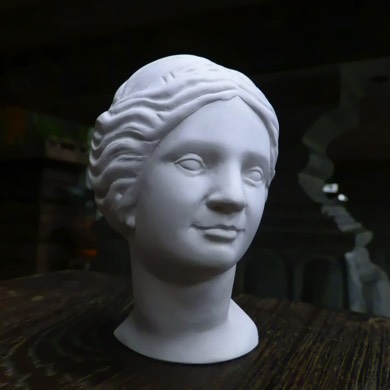
Corinthian Column Paperweight
This model is based on the Henri Gaudier-Brzeska Sleeping Fawn sculpture that is a firm favourite in the Kettle's Yard collection.
This model is based on the Henri Gaudier-Brzeska Sleeping Fawn sculpture that is a firm favourite in the Kettle's Yard collection.
More Info
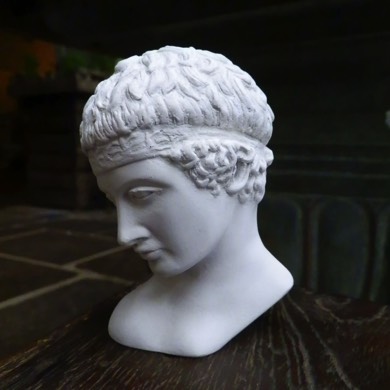
Ionic Column Paperweight
The Gorgon’s Head is traditionally associated with the female Gorgon Medusa, a symbol of Minerva, yet the face has masculine features, sparking debate that it may depict a Celtic sun god or the water deity Oceanus.
The Gorgon’s Head is traditionally associated with the female Gorgon Medusa, a symbol of Minerva, yet the face has masculine features, sparking debate that it may depict a Celtic sun god or the water deity Oceanus.
More Info
This model has inscriptions of the Roman Baths around all four sides of the cube of this Paperweight.
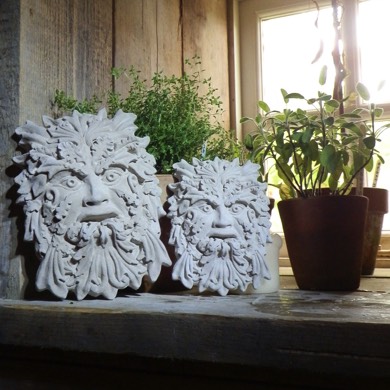
Corinthian Column Paperweight
This model is based on the Henri Gaudier-Brzeska Sleeping Fawn sculpture that is a firm favourite in the Kettle's Yard collection.
This model is based on the Henri Gaudier-Brzeska Sleeping Fawn sculpture that is a firm favourite in the Kettle's Yard collection.
More Info
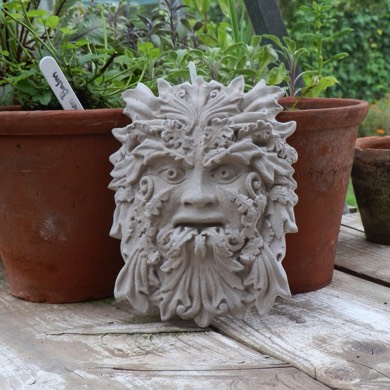
Ionic Column Paperweight
The Gorgon’s Head is traditionally associated with the female Gorgon Medusa, a symbol of Minerva, yet the face has masculine features, sparking debate that it may depict a Celtic sun god or the water deity Oceanus.
The Gorgon’s Head is traditionally associated with the female Gorgon Medusa, a symbol of Minerva, yet the face has masculine features, sparking debate that it may depict a Celtic sun god or the water deity Oceanus.
More Info
This model has inscriptions of the Roman Baths around all four sides of the cube of this Paperweight.
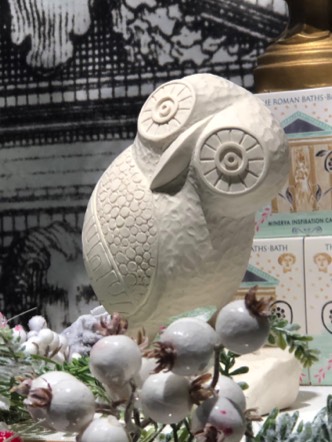
Corinthian Column Paperweight
This model is based on the Henri Gaudier-Brzeska Sleeping Fawn sculpture that is a firm favourite in the Kettle's Yard collection.
This model is based on the Henri Gaudier-Brzeska Sleeping Fawn sculpture that is a firm favourite in the Kettle's Yard collection.
More Info
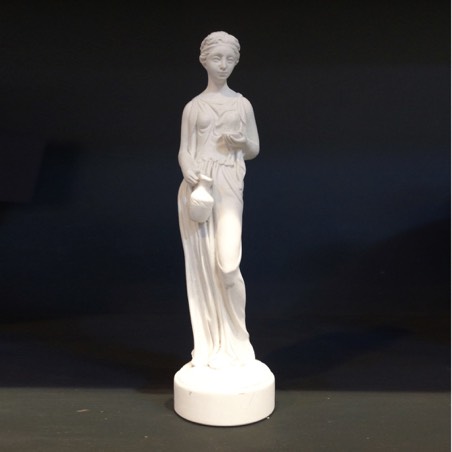
Roman Lady
The Gorgon’s Head is traditionally associated with the female Gorgon Medusa, a symbol of Minerva, yet the face has masculine features, sparking debate that it may depict a Celtic sun god or the water deity Oceanus.
The Gorgon’s Head is traditionally associated with the female Gorgon Medusa, a symbol of Minerva, yet the face has masculine features, sparking debate that it may depict a Celtic sun god or the water deity Oceanus.
More Info
This model has inscriptions of the Roman Baths around all four sides of the cube of this Paperweight.
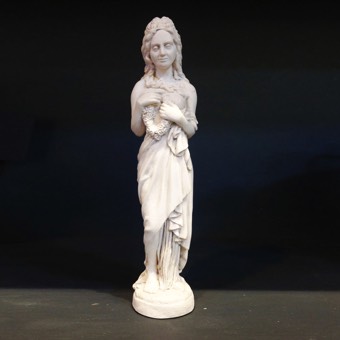
Spring Figure
Pegan
This model is based on the Henri Gaudier-Brzeska Sleeping Fawn sculpture that is a firm favourite in the Kettle's Yard collection.
Pegan
This model is based on the Henri Gaudier-Brzeska Sleeping Fawn sculpture that is a firm favourite in the Kettle's Yard collection.
More Info
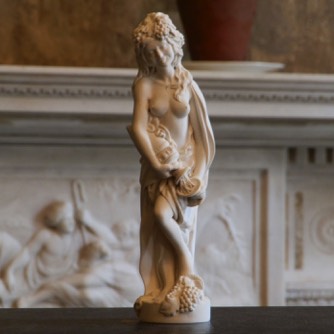
Autumn Figure
Pegan
The Gorgon’s Head is traditionally associated with the female Gorgon Medusa, a symbol of Minerva, yet the face has masculine features, sparking debate that it may depict a Celtic sun god or the water deity Oceanus.
Pegan
The Gorgon’s Head is traditionally associated with the female Gorgon Medusa, a symbol of Minerva, yet the face has masculine features, sparking debate that it may depict a Celtic sun god or the water deity Oceanus.
More Info
This model has inscriptions of the Roman Baths around all four sides of the cube of this Paperweight.
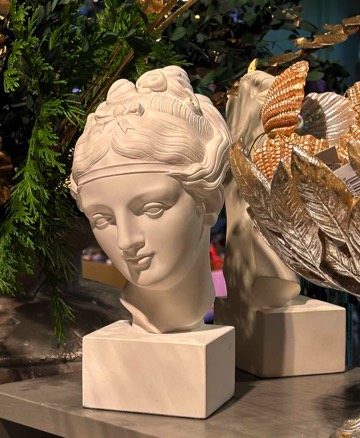
Corinthian Column Paperweight
This model is based on the Henri Gaudier-Brzeska Sleeping Fawn sculpture that is a firm favourite in the Kettle's Yard collection.
This model is based on the Henri Gaudier-Brzeska Sleeping Fawn sculpture that is a firm favourite in the Kettle's Yard collection.
More Info
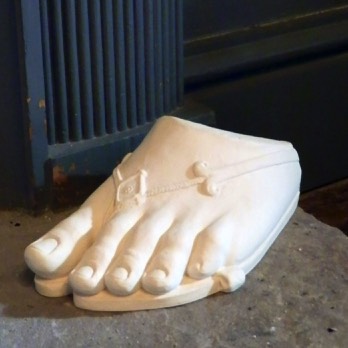
Roman Lady
The Gorgon’s Head is traditionally associated with the female Gorgon Medusa, a symbol of Minerva, yet the face has masculine features, sparking debate that it may depict a Celtic sun god or the water deity Oceanus.
The Gorgon’s Head is traditionally associated with the female Gorgon Medusa, a symbol of Minerva, yet the face has masculine features, sparking debate that it may depict a Celtic sun god or the water deity Oceanus.
More Info
This model has inscriptions of the Roman Baths around all four sides of the cube of this Paperweight.
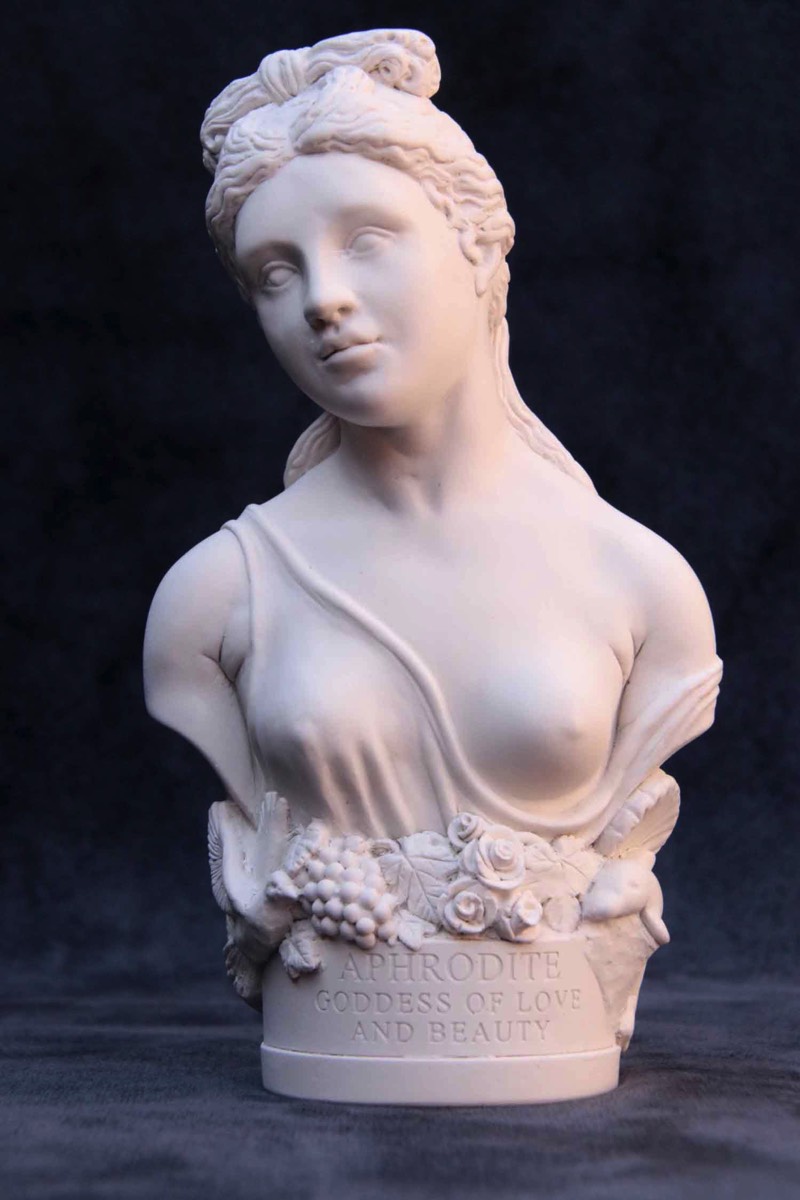
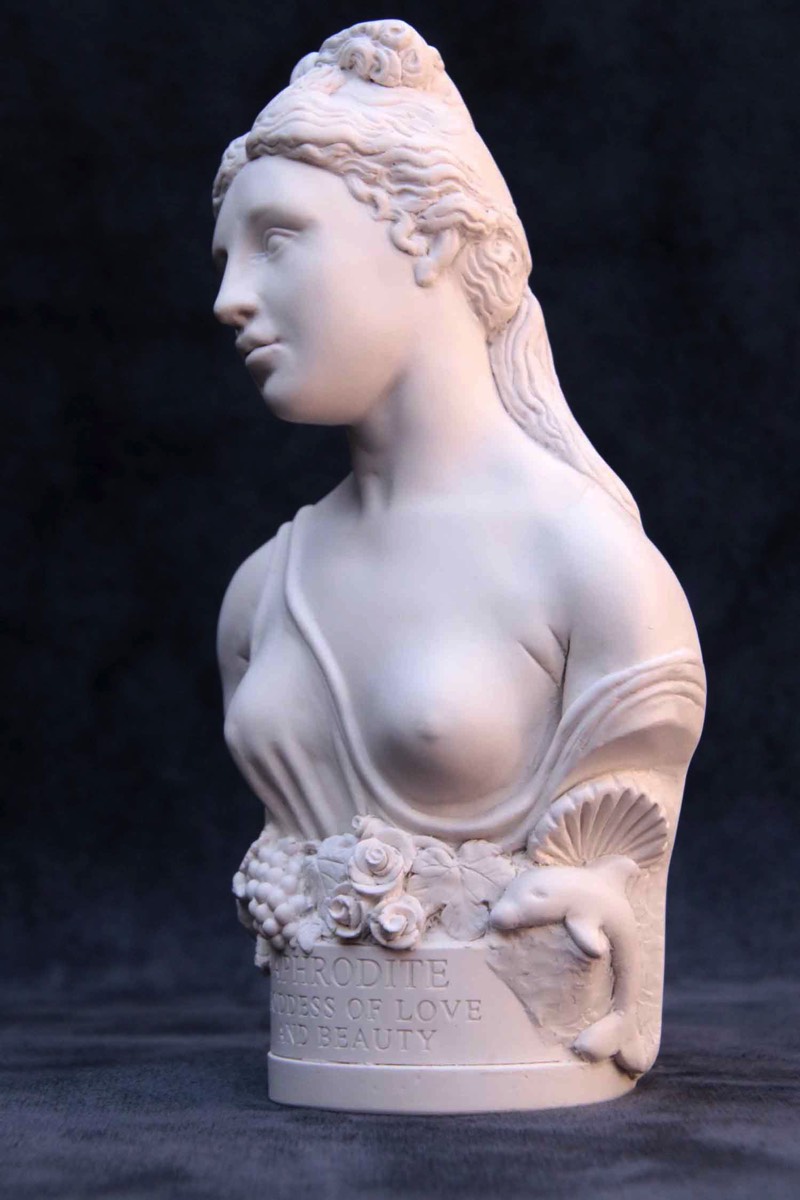
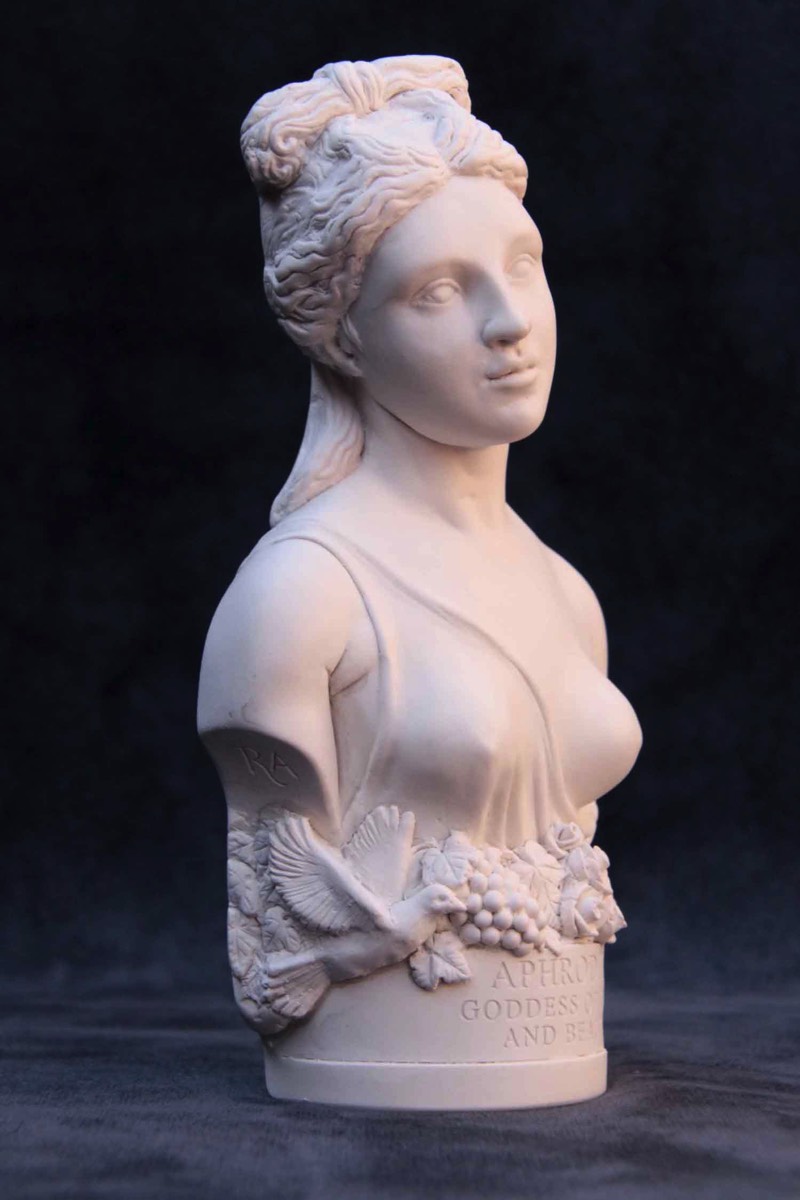
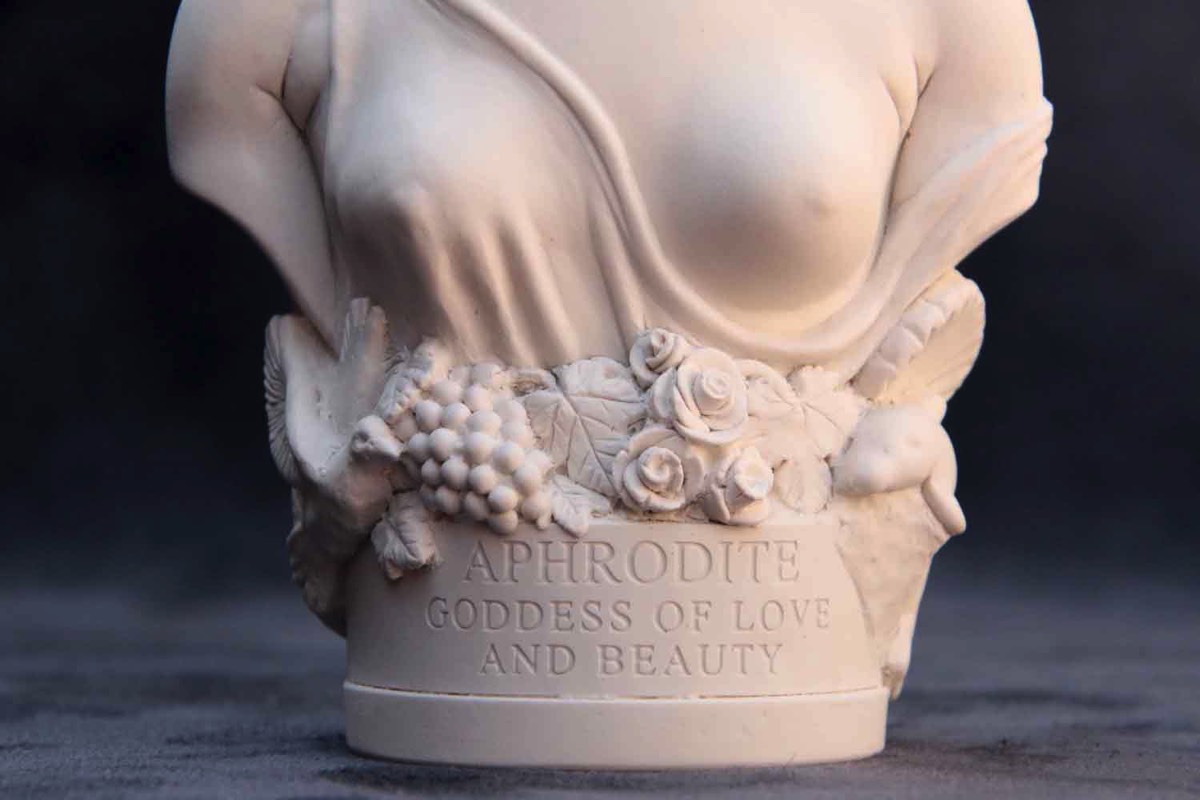
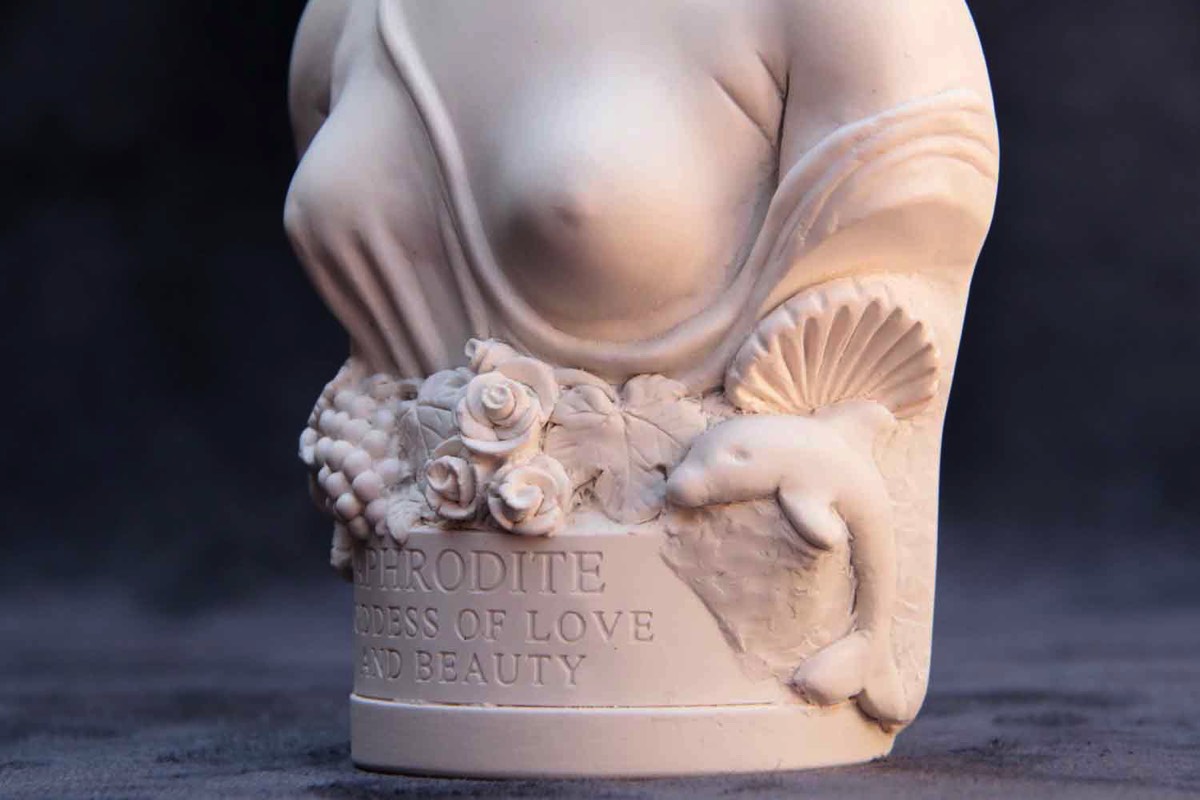
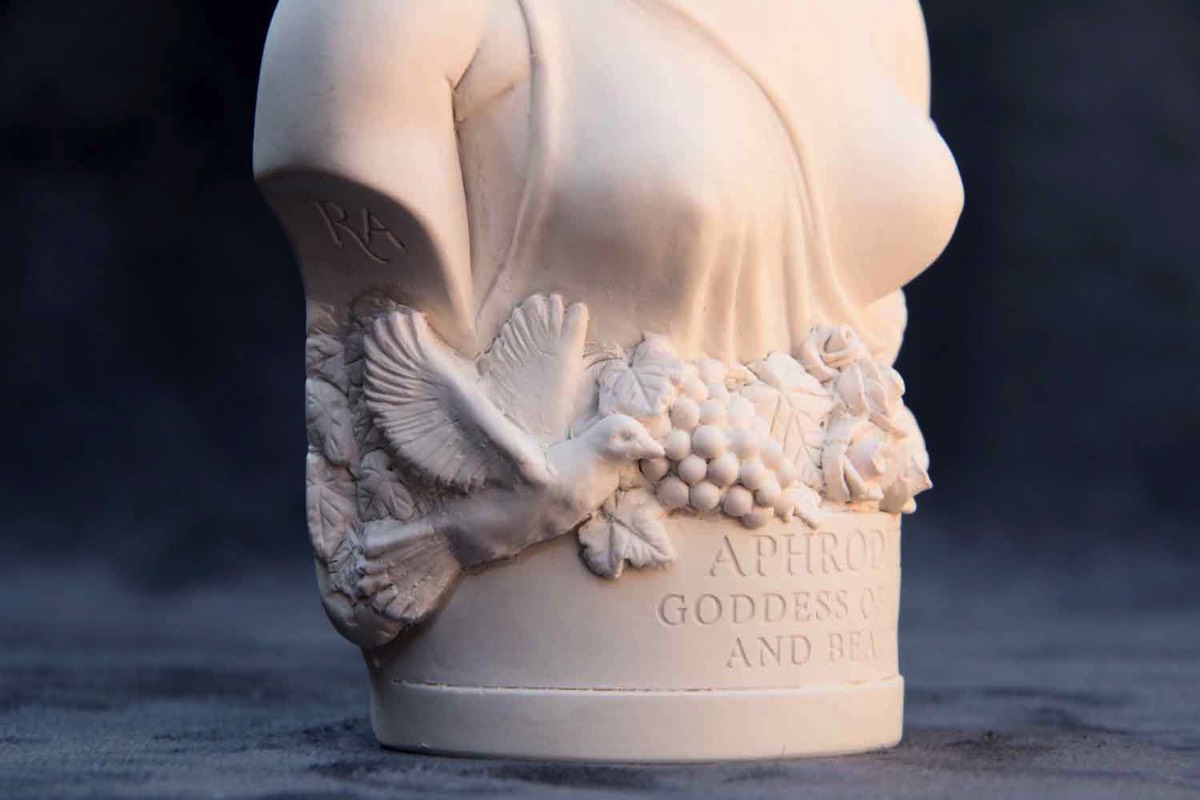
Aphrodite
Daughter of Zeus and Dione. Zeus married her to the ugly Hephaestus, to stop the god's rivalry over her beauty.
More Info
Aphrodite had many lovers including Ares and Adonis. She played a role in the Eros legend and many lesser beings were said to be her children.
The Bust
This bust take inspiration from both the marble statues of Aphrodite housed in the Met Museum and the Getty Museum. Both are dated around 200-250BC.
Around the Base
For this bust we have included symbols of the goddess - Dolphins, Dove, Roses, Scallop Shell, Wine and Grapes.
The etch around the base reads:
"GODDESS OF LOVE AND BEAUTY".
Height: 145mm
Width: 80mm
Depth: 35mm
The Bust
This bust take inspiration from both the marble statues of Aphrodite housed in the Met Museum and the Getty Museum. Both are dated around 200-250BC.
Around the Base
For this bust we have included symbols of the goddess - Dolphins, Dove, Roses, Scallop Shell, Wine and Grapes.
The etch around the base reads:
"GODDESS OF LOVE AND BEAUTY".
Height: 145mm
Width: 80mm
Depth: 35mm
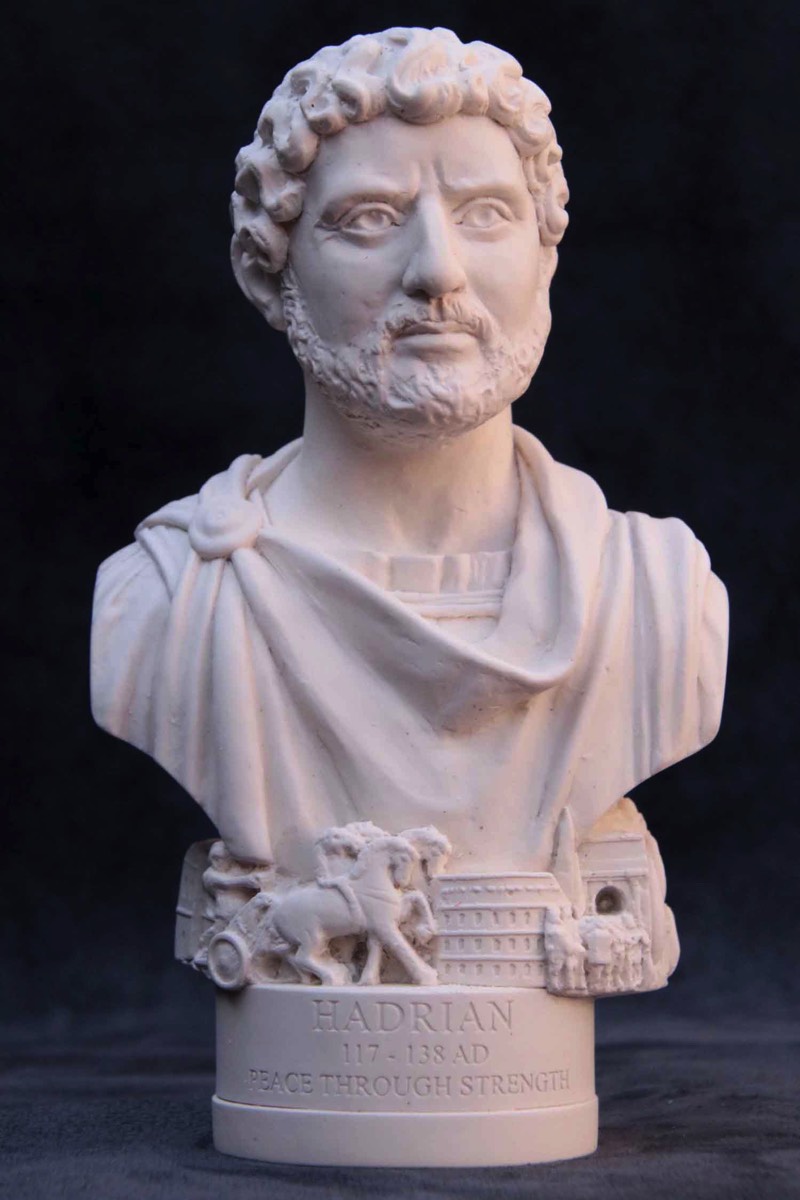
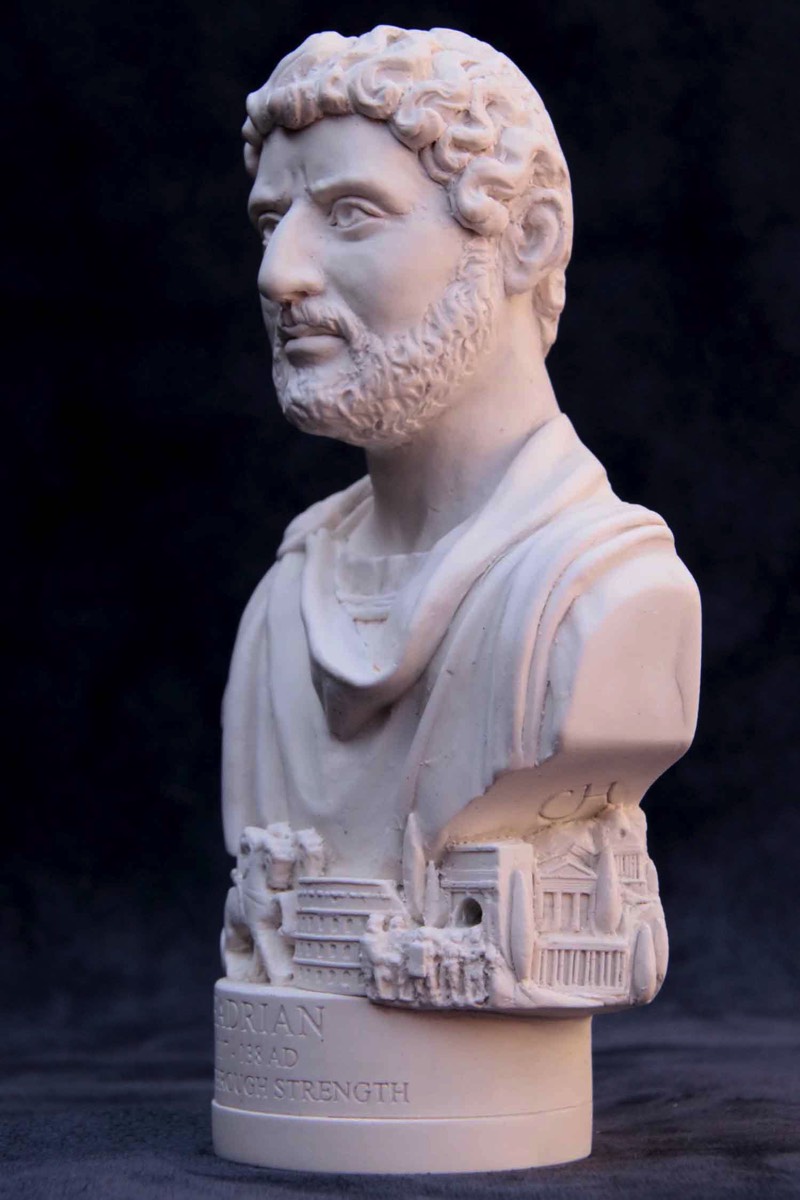
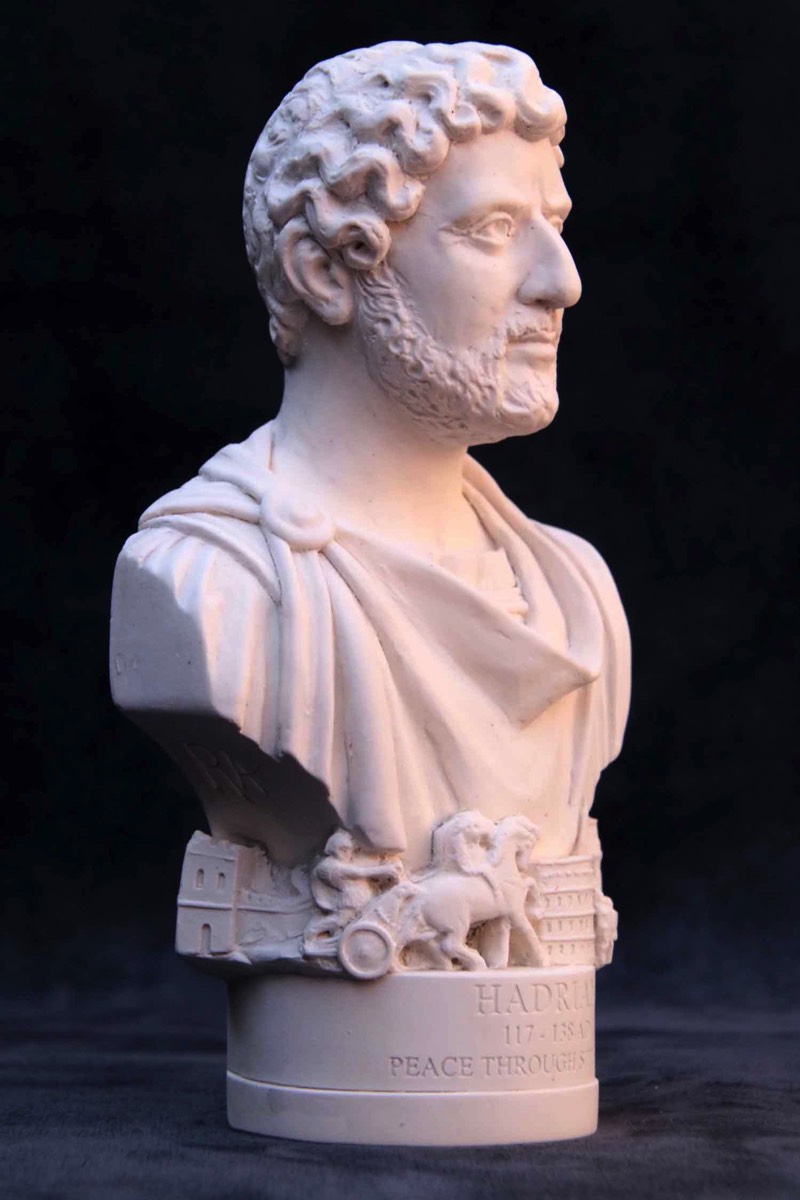
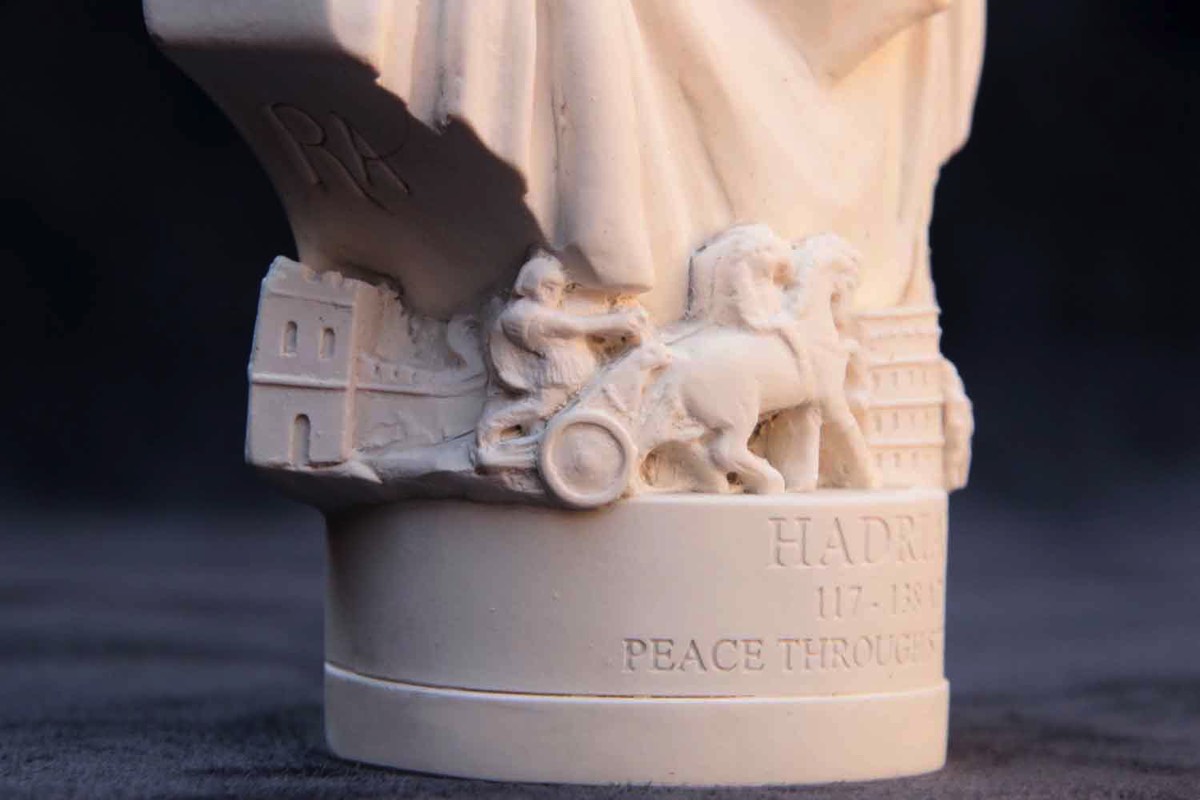
Hadrian
24.01.76 AD - 10.07.138 AD
Publius Aelius Hadrianus
Roman Emperor
Bust of Roman Emperor Hadrian made in British Gypsum Plaster.
More Info
Hadrian had a love for all things Greek and was the first emperor to be depicted with a beard. He strengthened the Roman Empire through architecture, building Hadrian's Wall and rebuilding the Pantheon. He visited almost every province of the empire during his peaceful twenty-year reign.
The base
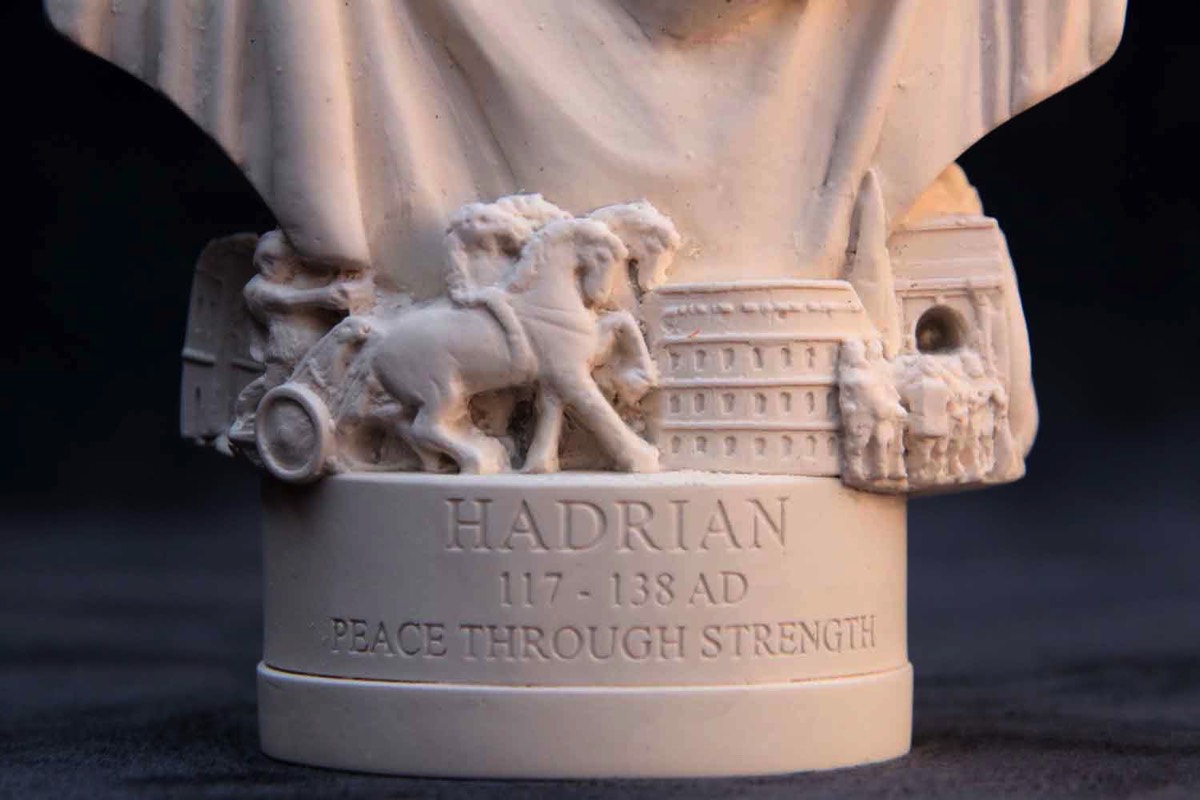
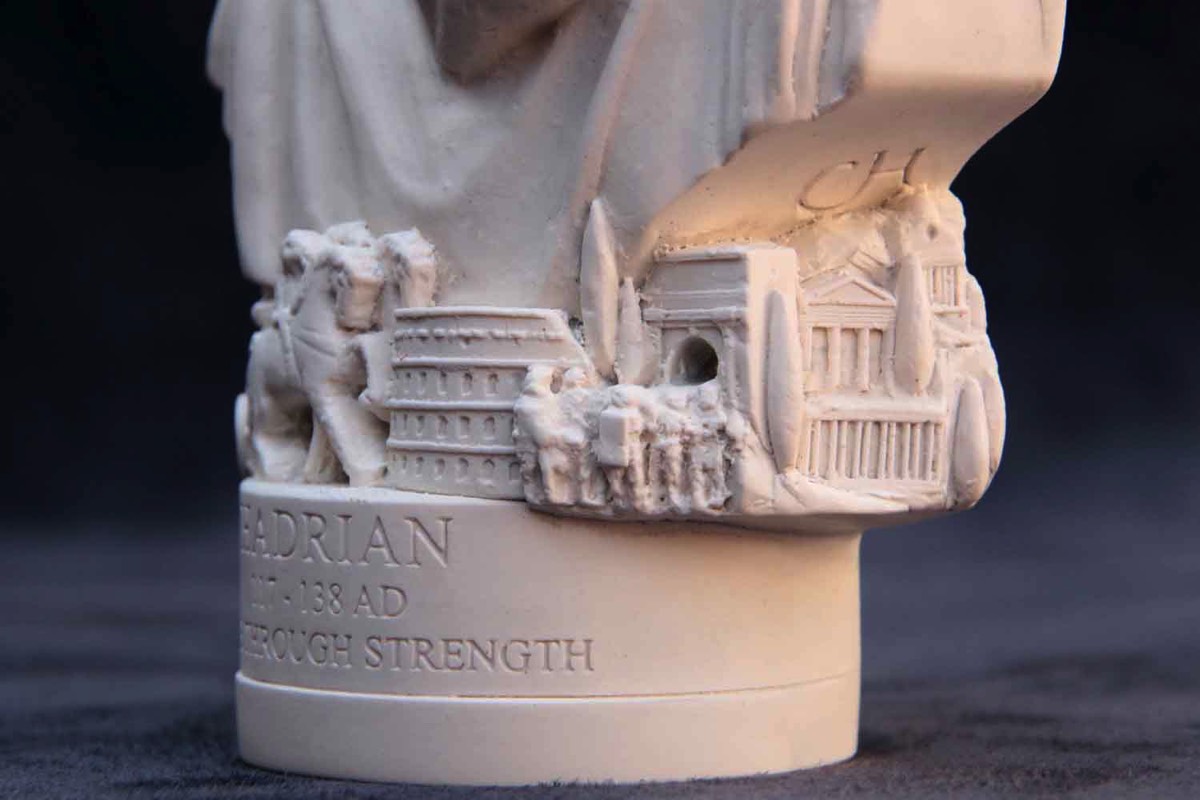
For this bust we have included Hadrian's wall, a roman chariot, the Colloseum and Hadrian's Arch.
The etch around the base reads:
"PEACE THROUGH STRENGTH"
Height: 135mm
Width: 70mm
Depth: 35mm
The base
For this bust we have included Hadrian's wall, a roman chariot, the Colloseum and Hadrian's Arch.
The etch around the base reads:
"PEACE THROUGH STRENGTH"
Height: 135mm
Width: 70mm
Depth: 35mm
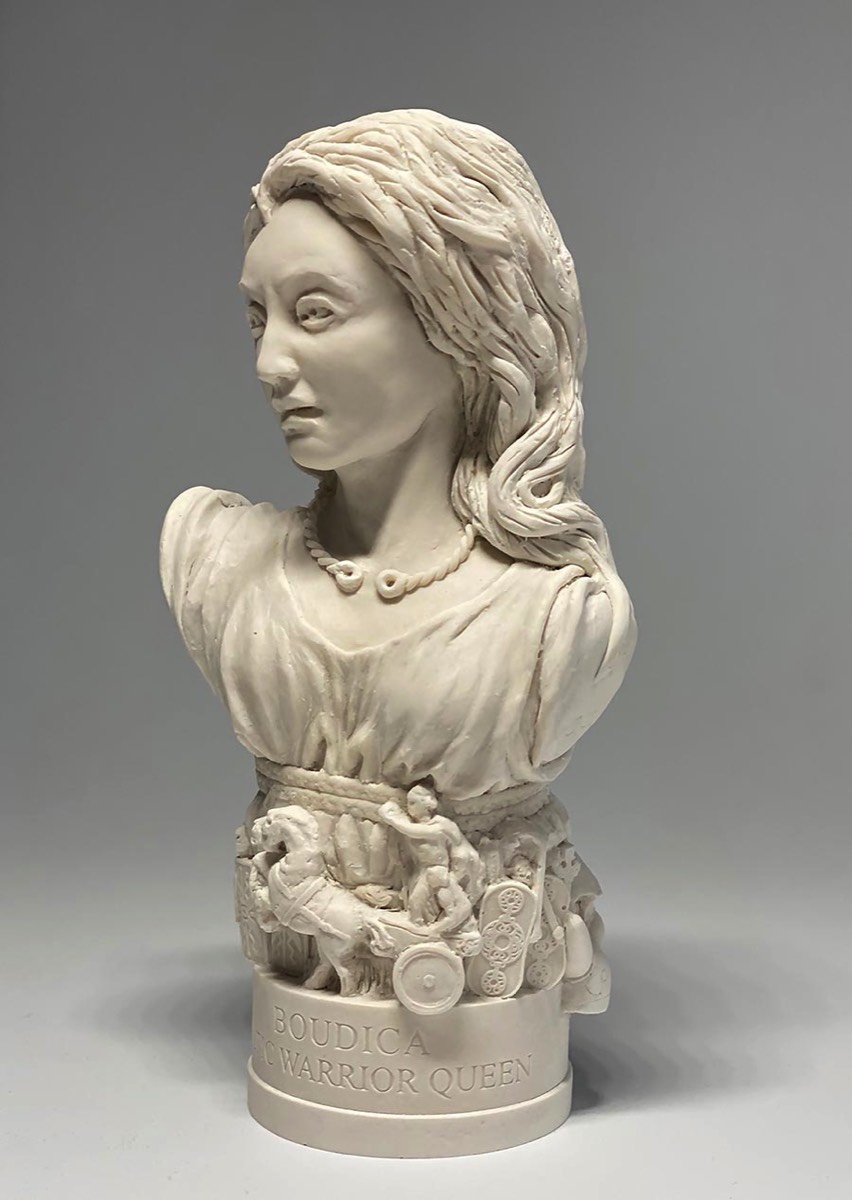
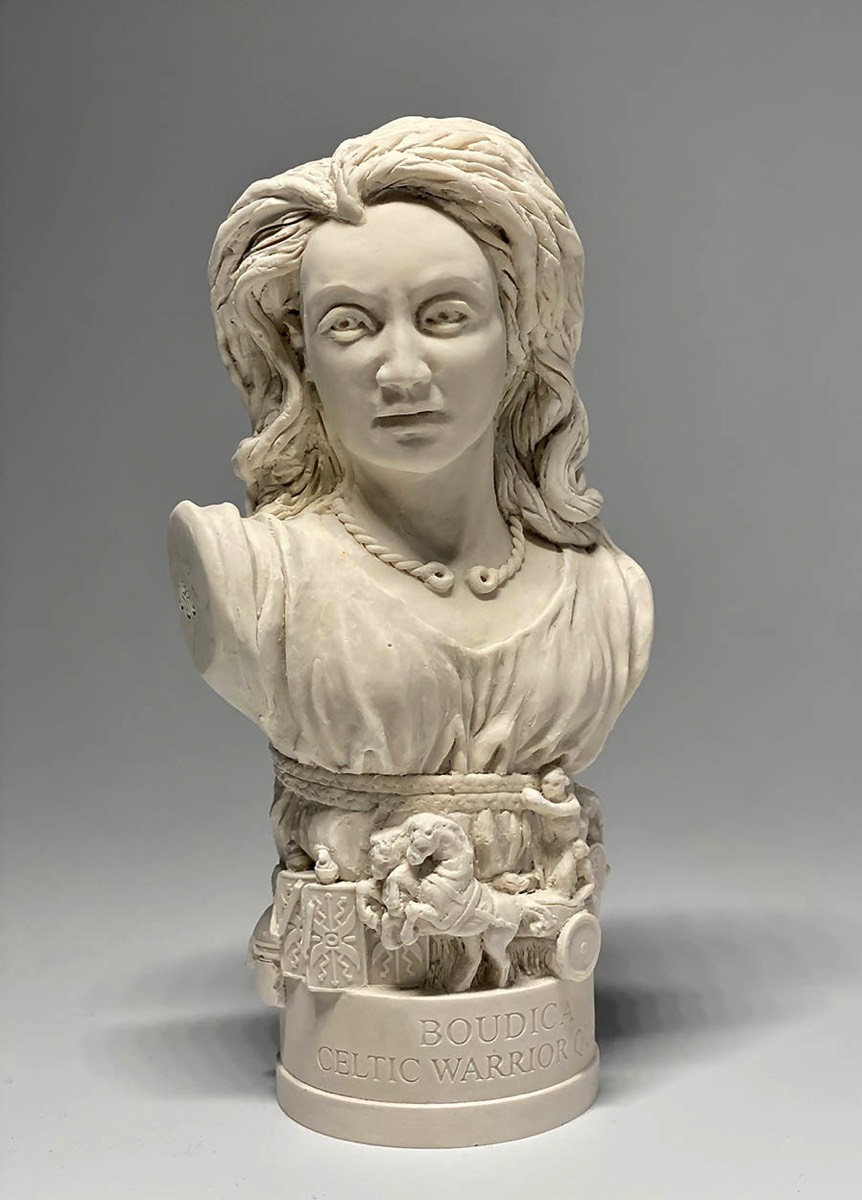
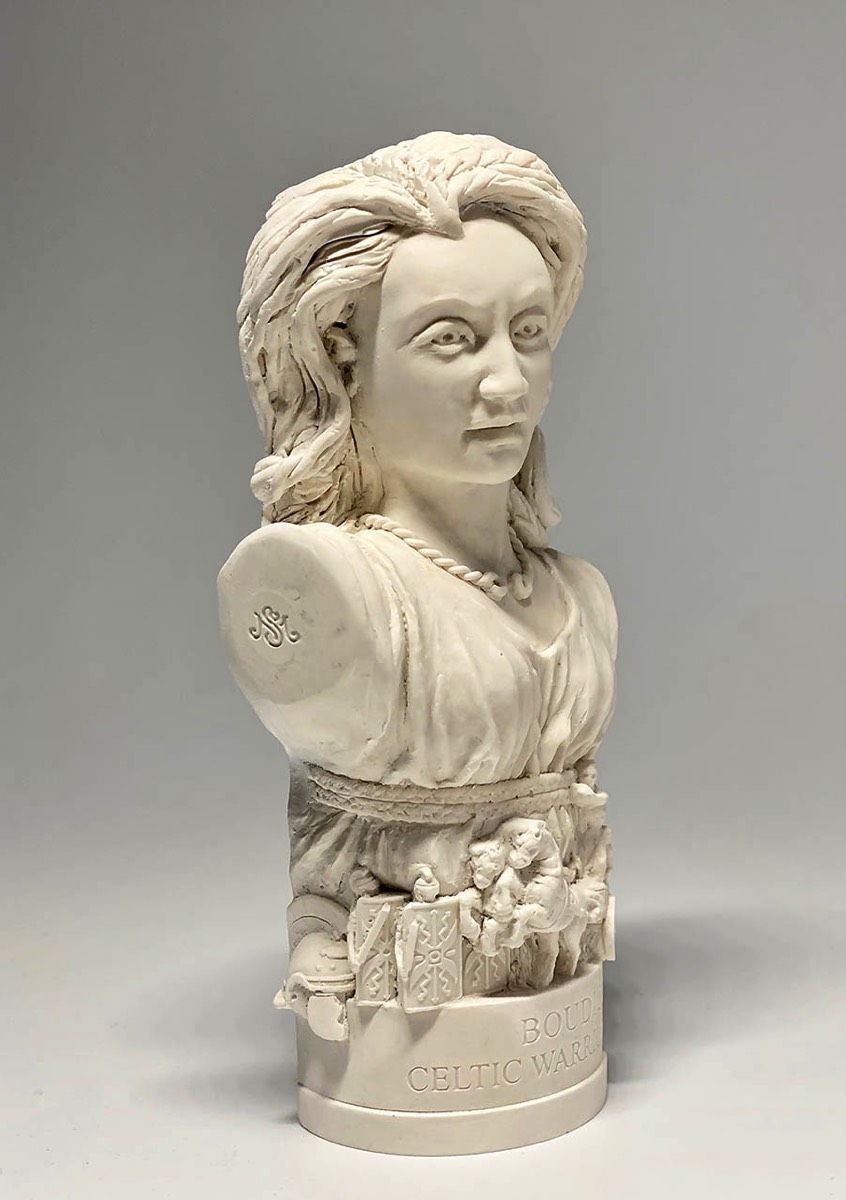
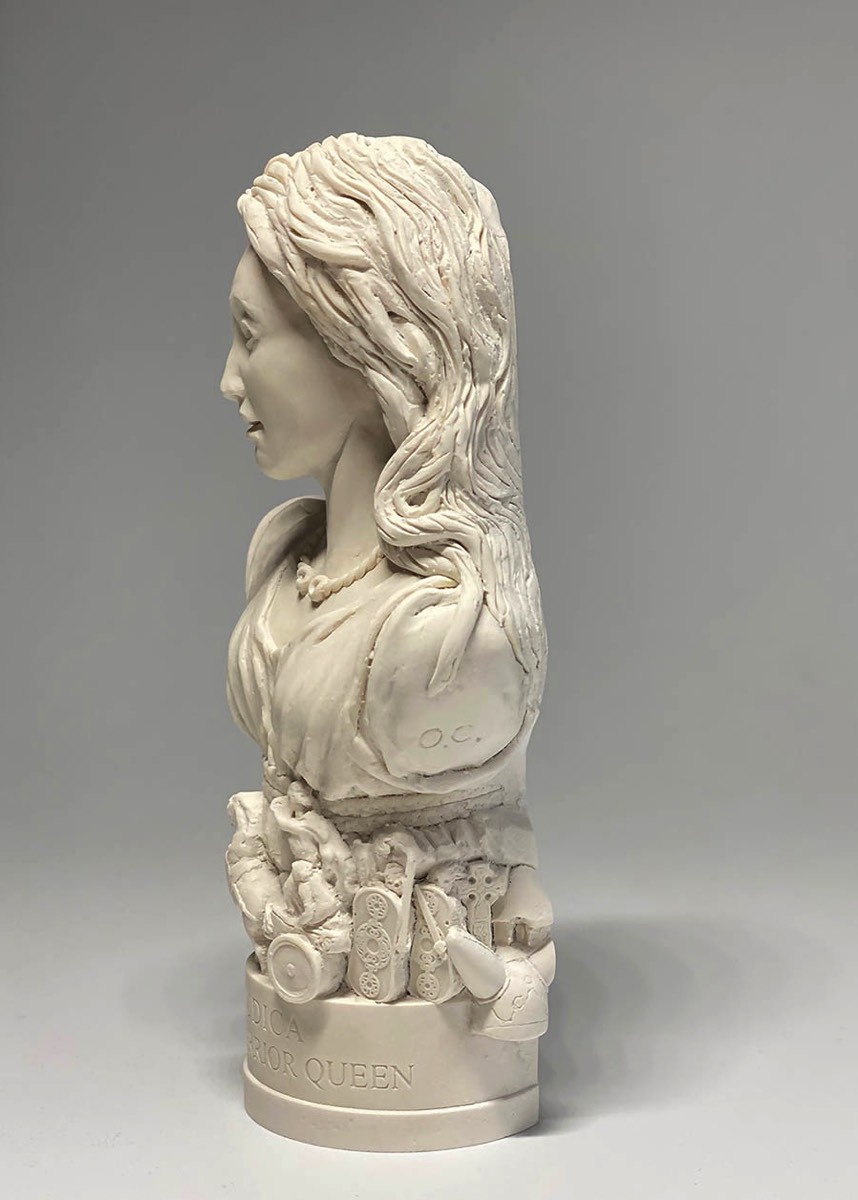
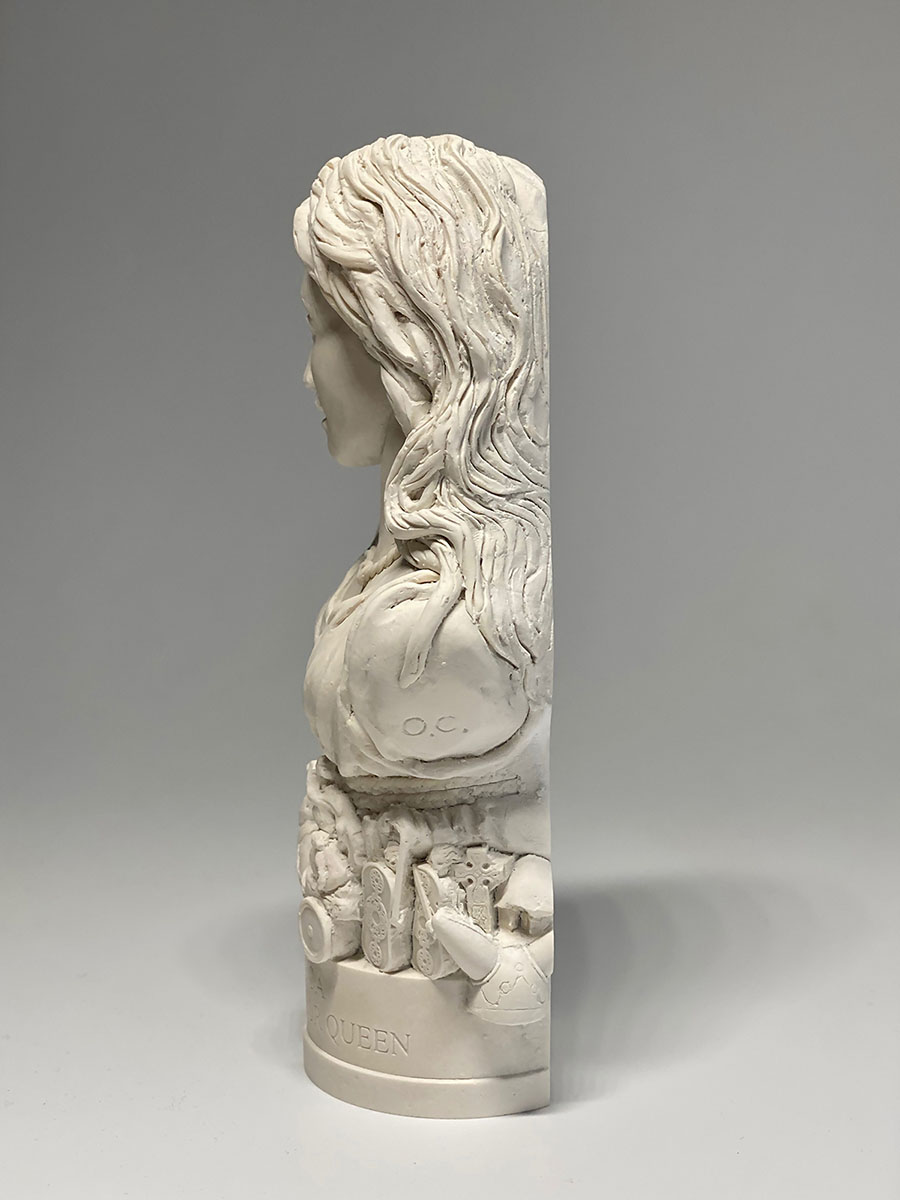
Bodicea
30AD - 61AD
Bodicea lead the Iceni tribe against the Romans who took over the kingdom after the death of her husband.
30AD - 61AD
Bodicea lead the Iceni tribe against the Romans who took over the kingdom after the death of her husband.
More Info
She was flogged and her daughters attacked. In response, she lead 100,000 Celt warriors to fight the Romans, destroyed Londinium and killed around 80,000 Roman Invaders.
The Bust
Based on various illustrations of Bodicea, this sculpture was sculpted at our studios in Bath and makes a dramatic addition to the mantel, bookshelves or occasional table.
The Base
There are objects related to Bodicea placed around the base of the bust. For this bust we have included a Roman helmet and centurions, Bodicea atop her chariot, Celtic shields and helmet, the Celtic cross and huts.
The etch around the base reads:
"CELTIC WARRIOR QUEEN"
Height: 120mm
Width: 60mm
Depth: 35mm
The Bust
Based on various illustrations of Bodicea, this sculpture was sculpted at our studios in Bath and makes a dramatic addition to the mantel, bookshelves or occasional table.
The Base
There are objects related to Bodicea placed around the base of the bust. For this bust we have included a Roman helmet and centurions, Bodicea atop her chariot, Celtic shields and helmet, the Celtic cross and huts.
The etch around the base reads:
"CELTIC WARRIOR QUEEN"
Height: 120mm
Width: 60mm
Depth: 35mm
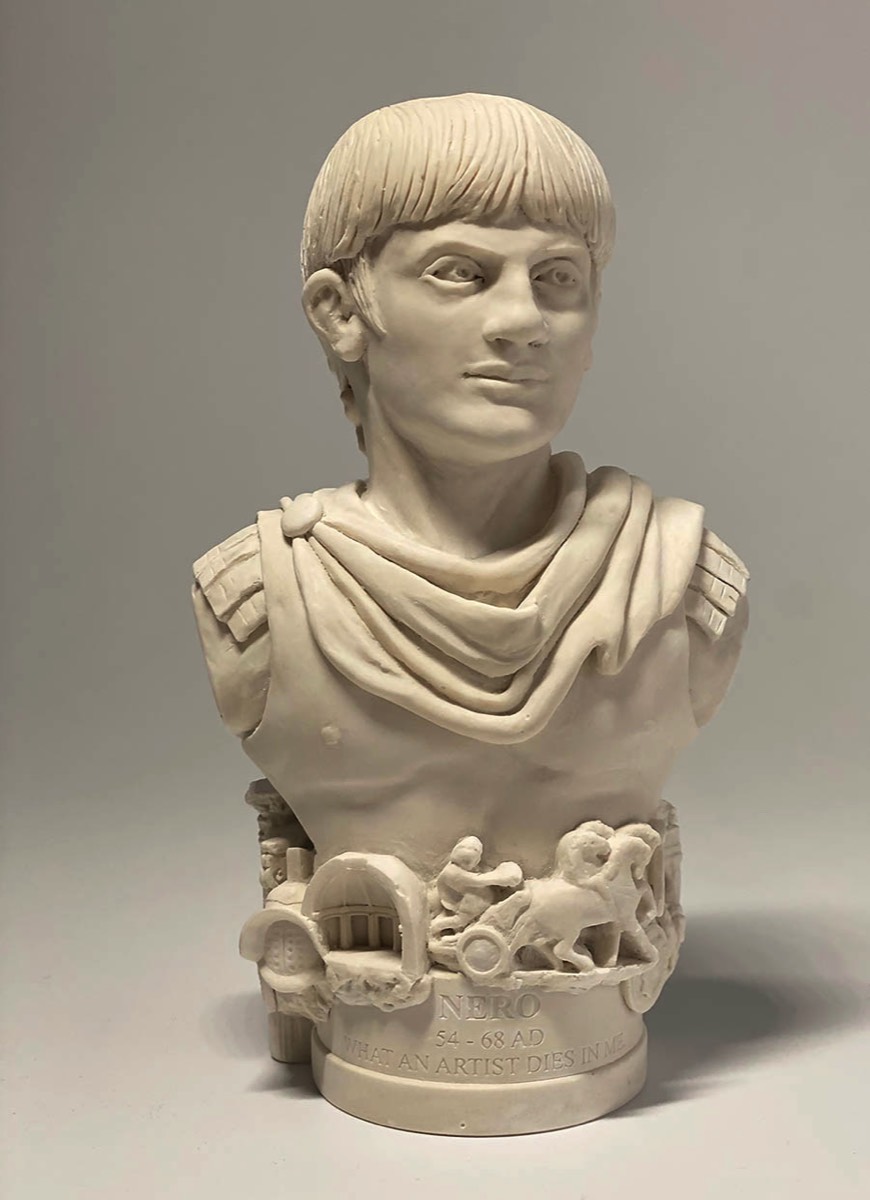
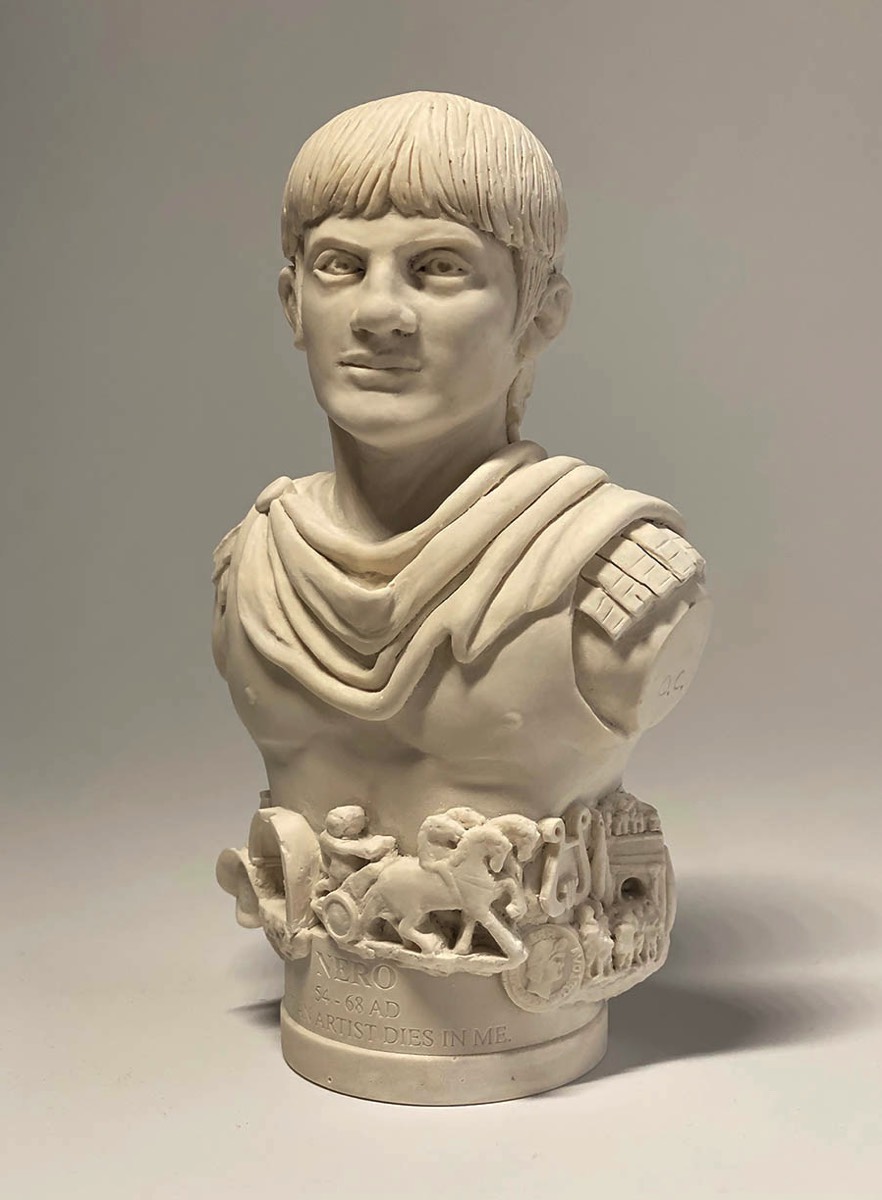
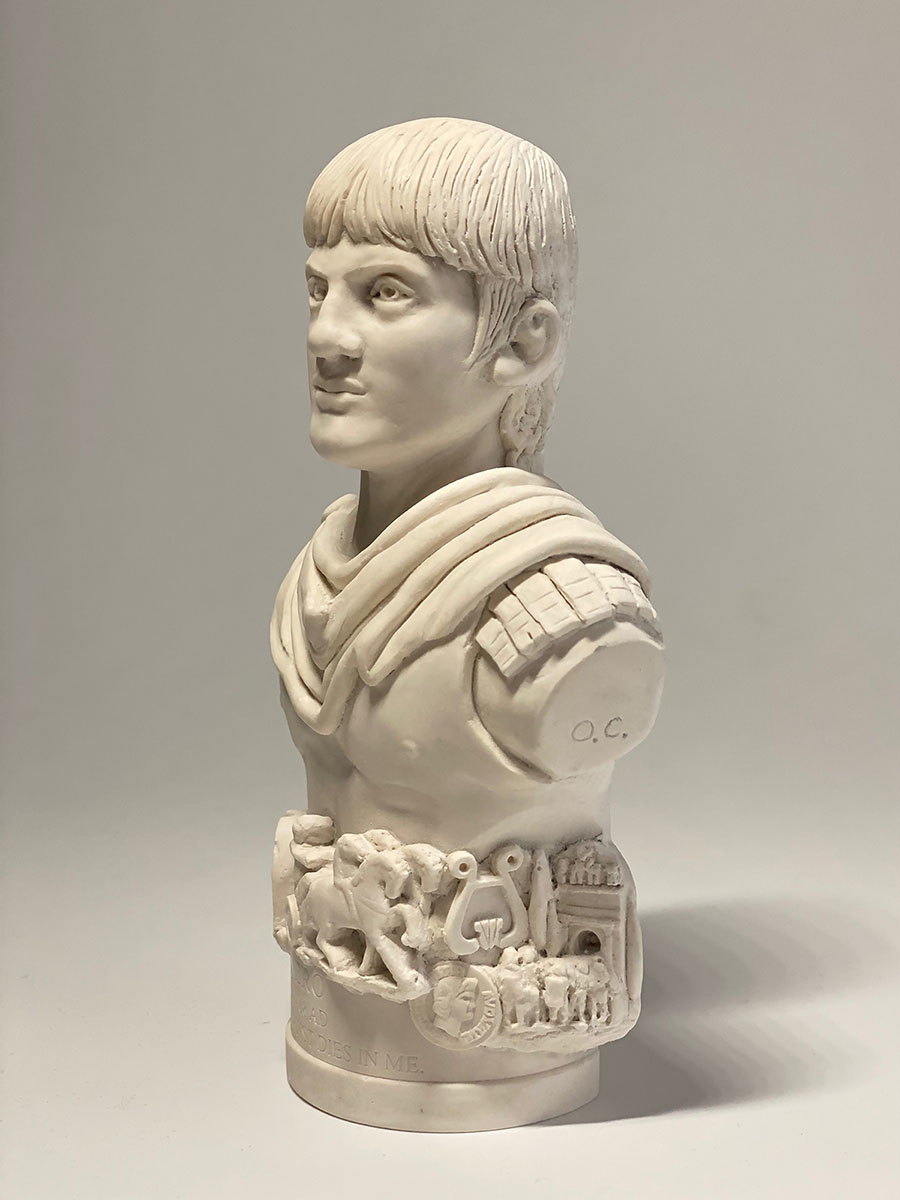
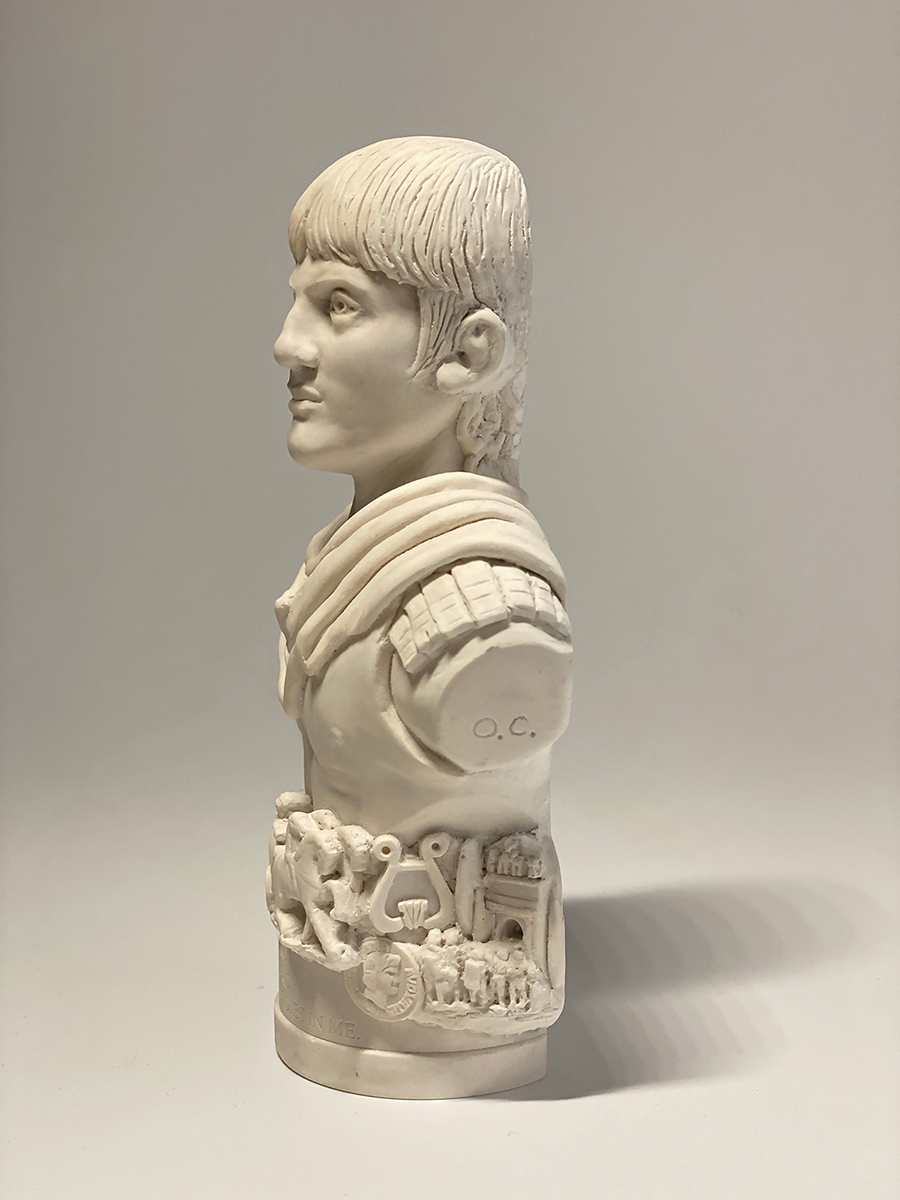
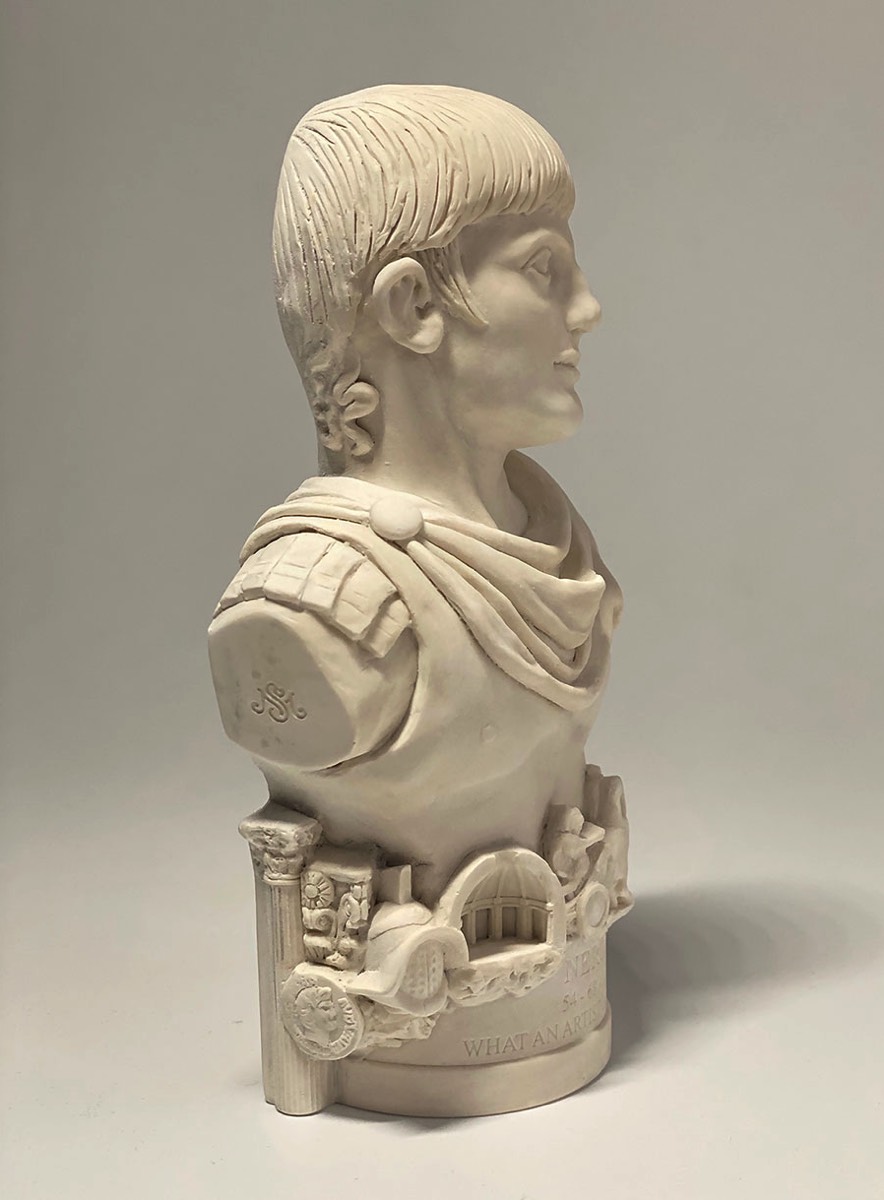
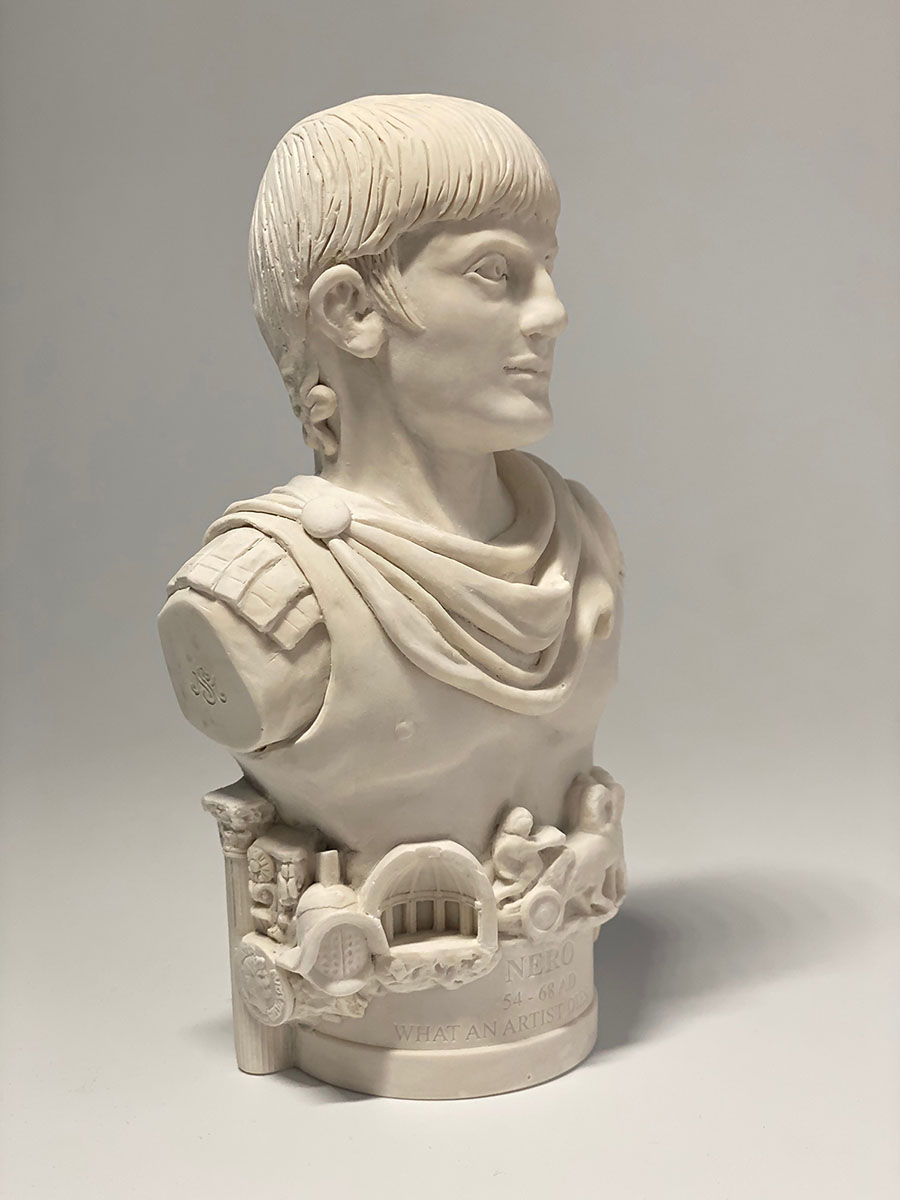
Emperor Nero
Nero Claudius Caesar Augustus Germanicus was the fifth Roman emperor and final emperor of the Julio-Claudian dynasty, ruling from 54 to 68 AD.
Nero Claudius Caesar Augustus Germanicus was the fifth Roman emperor and final emperor of the Julio-Claudian dynasty, ruling from 54 to 68 AD.
More Info
Nero Claudius Caesar Augustus Germanicus was the fifth Roman emperor, ruling from 54 to 68. His infamous reign is usually associated with tyranny, extravagance, and debauchery.
The base
For this bust we have included Hadrian's wall, a roman chariot, the Colloseum and Hadrian's Arch.
The etch around the base reads:
"PEACE THROUGH STRENGTH"
Height: 135mm
Width: 75mm
Depth: 35mm
The base
For this bust we have included Hadrian's wall, a roman chariot, the Colloseum and Hadrian's Arch.
The etch around the base reads:
"PEACE THROUGH STRENGTH"
Height: 135mm
Width: 75mm
Depth: 35mm
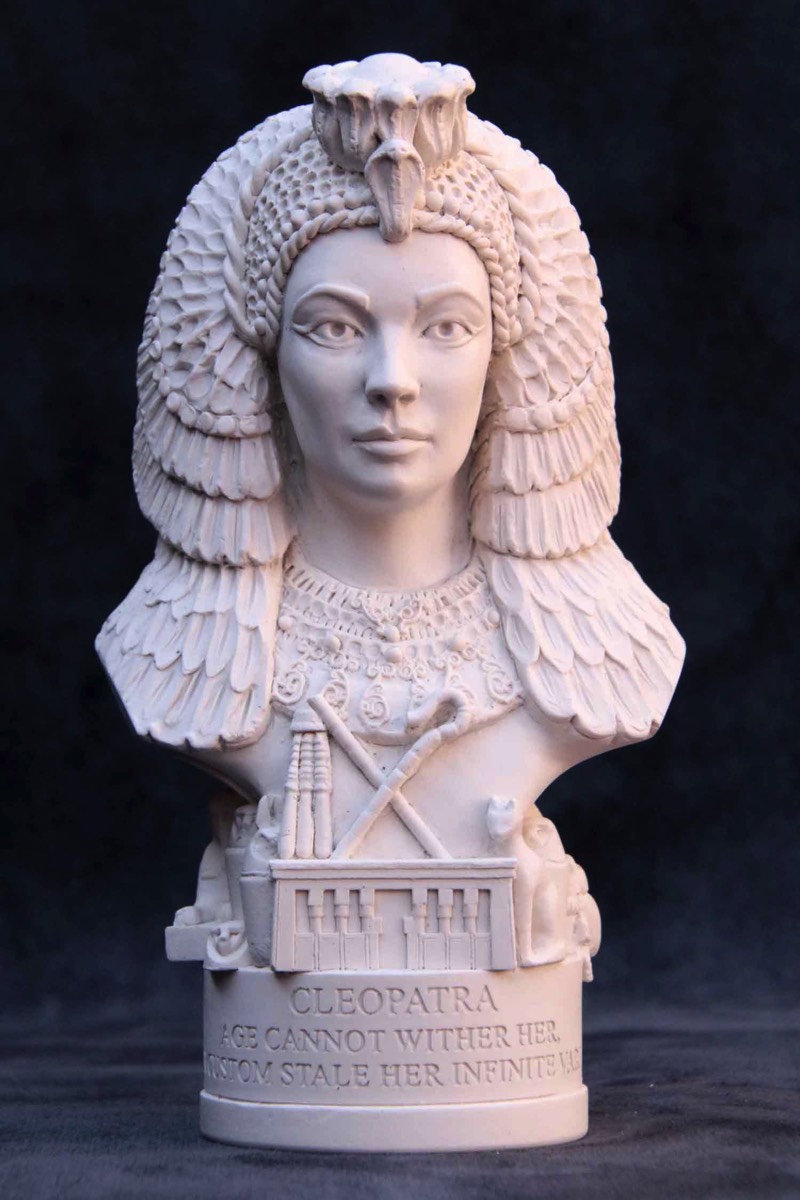
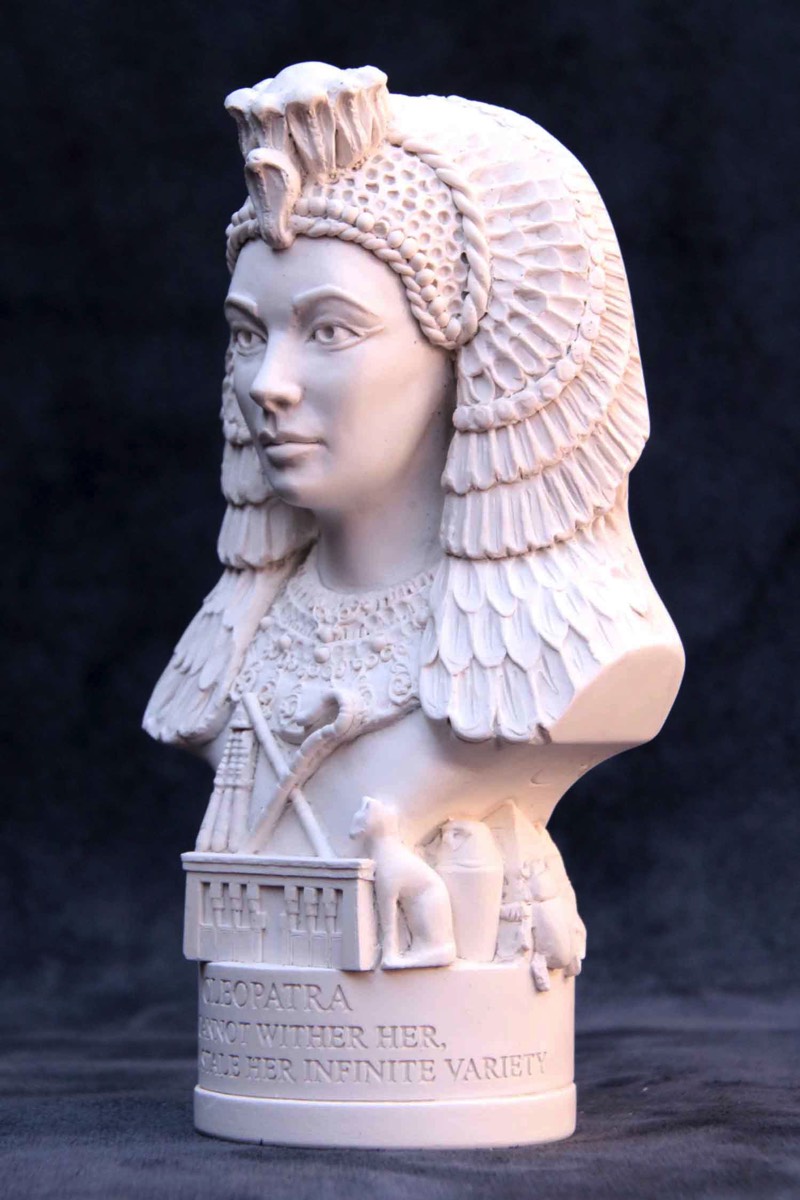
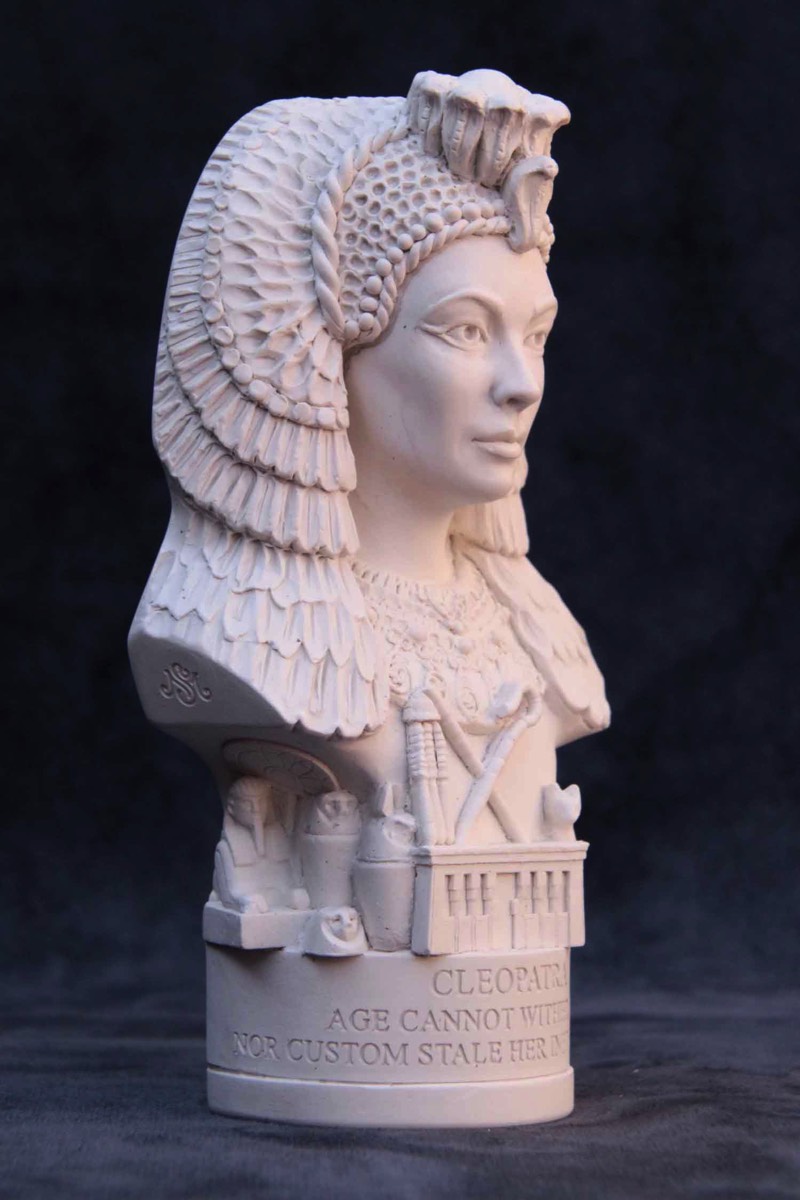
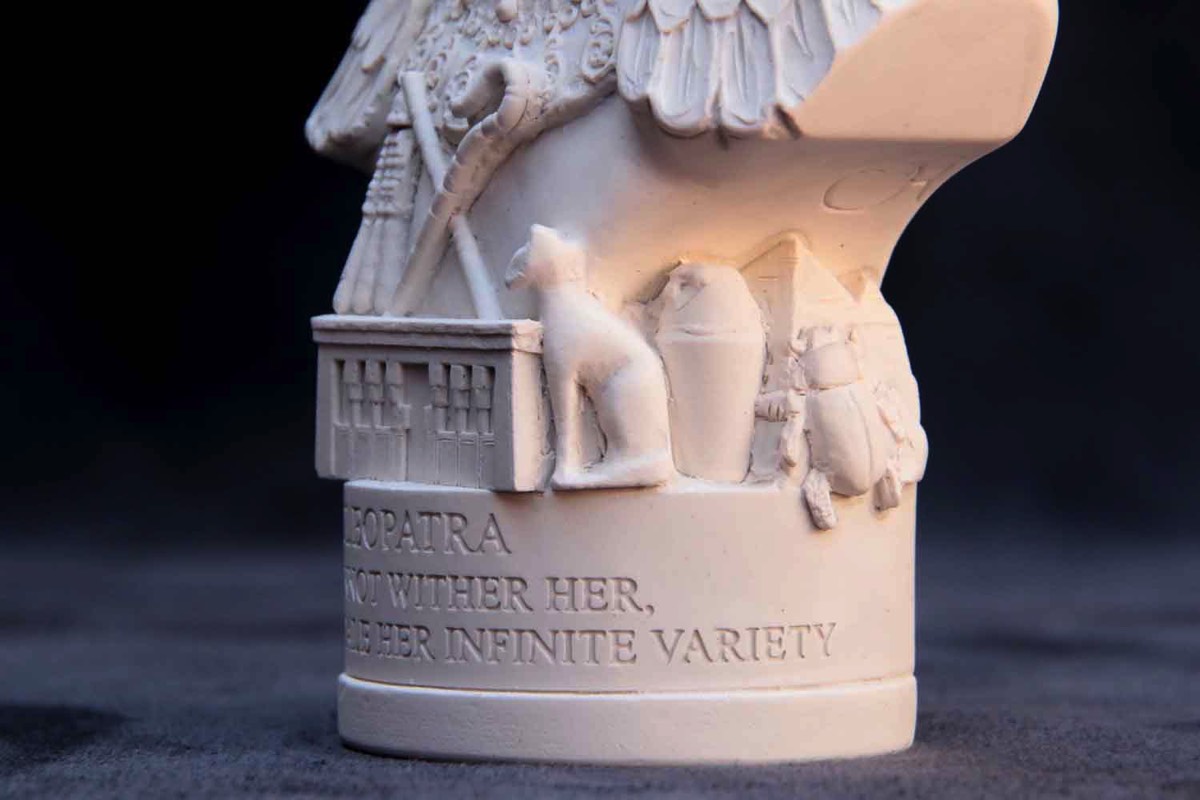
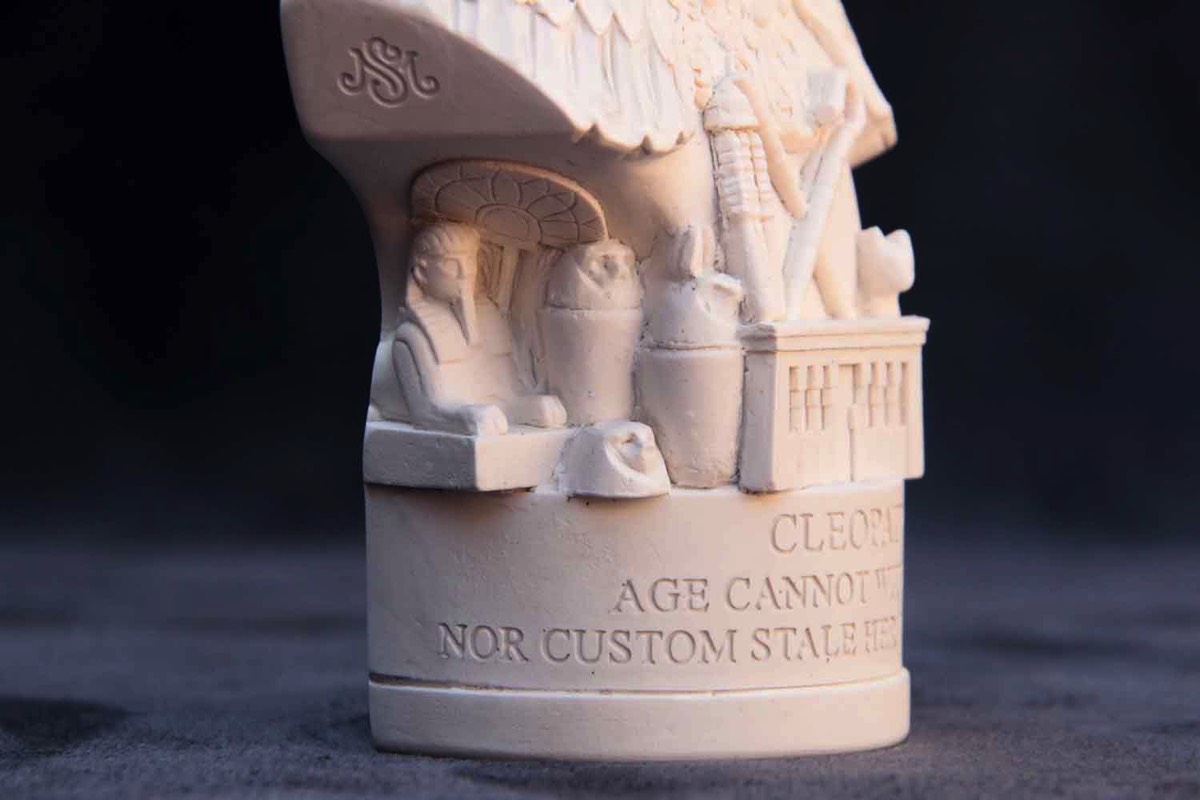
Cleopatra
51 - 30 BC
Cleopatra ruled Egypt from 51 to 30 BC as Egypt’s last pharaoh.
51 - 30 BC
Cleopatra ruled Egypt from 51 to 30 BC as Egypt’s last pharaoh.
More Info
She was renowned for her beauty, intelligence and political astuteness and remembered for her passionate affairs with Julius Caesar and Mark Antony.
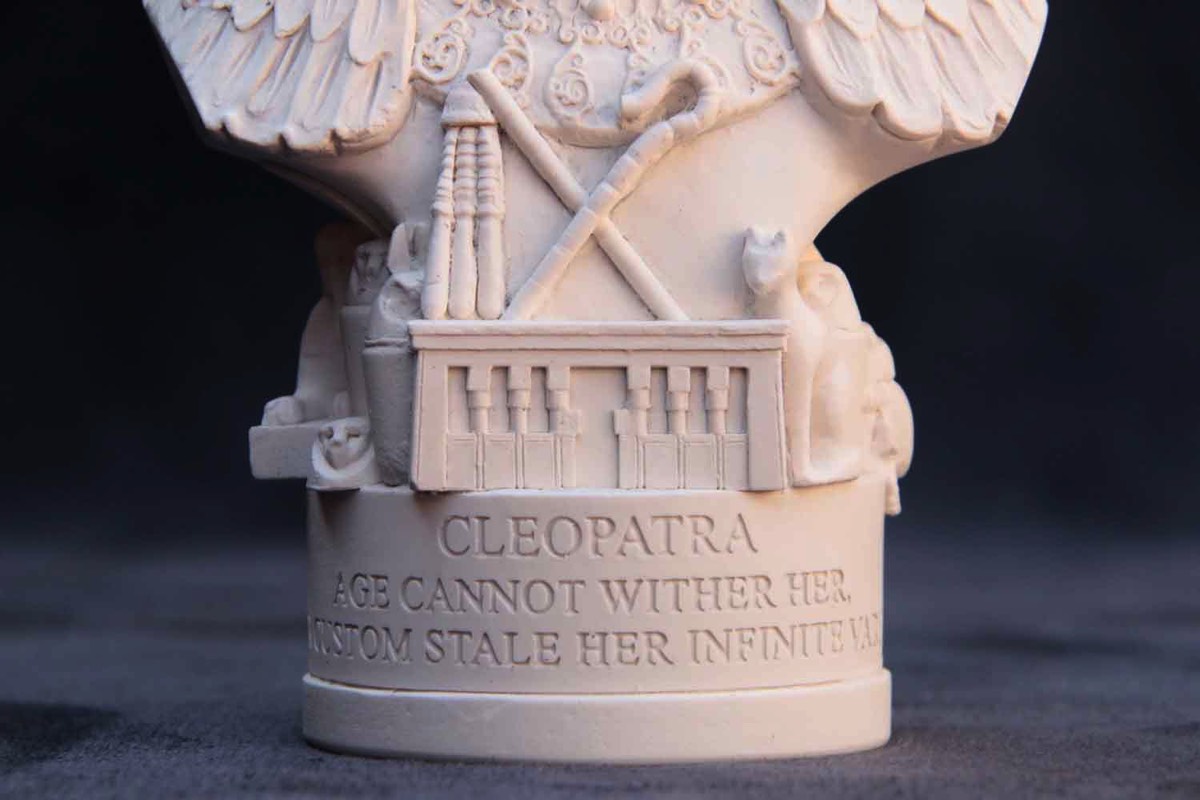
The etch around the base reads:
"AGE CANNOT WITHER HER, NOT CUSTOM STALE HER INFINiTE VARIETY"
Height: 130mm
Width: 70mm
Depth: 35mm
The etch around the base reads:
"AGE CANNOT WITHER HER, NOT CUSTOM STALE HER INFINiTE VARIETY"
Height: 130mm
Width: 70mm
Depth: 35mm
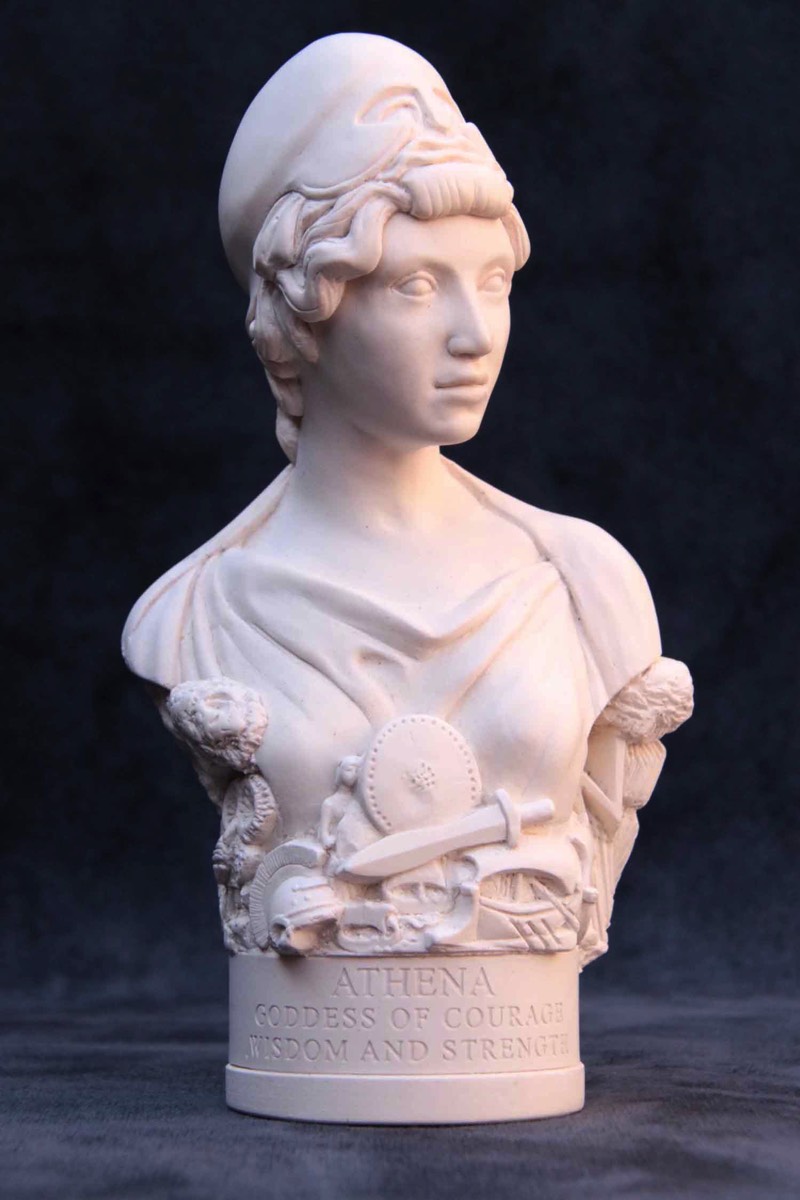
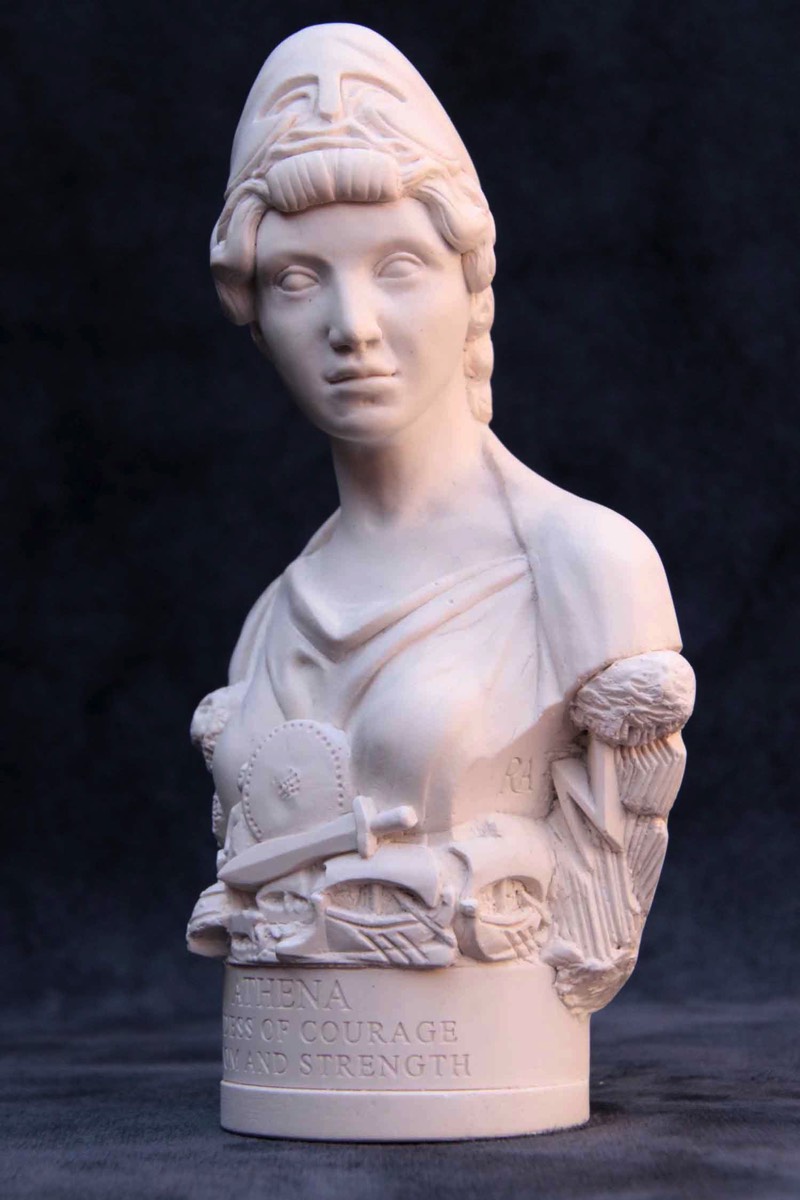
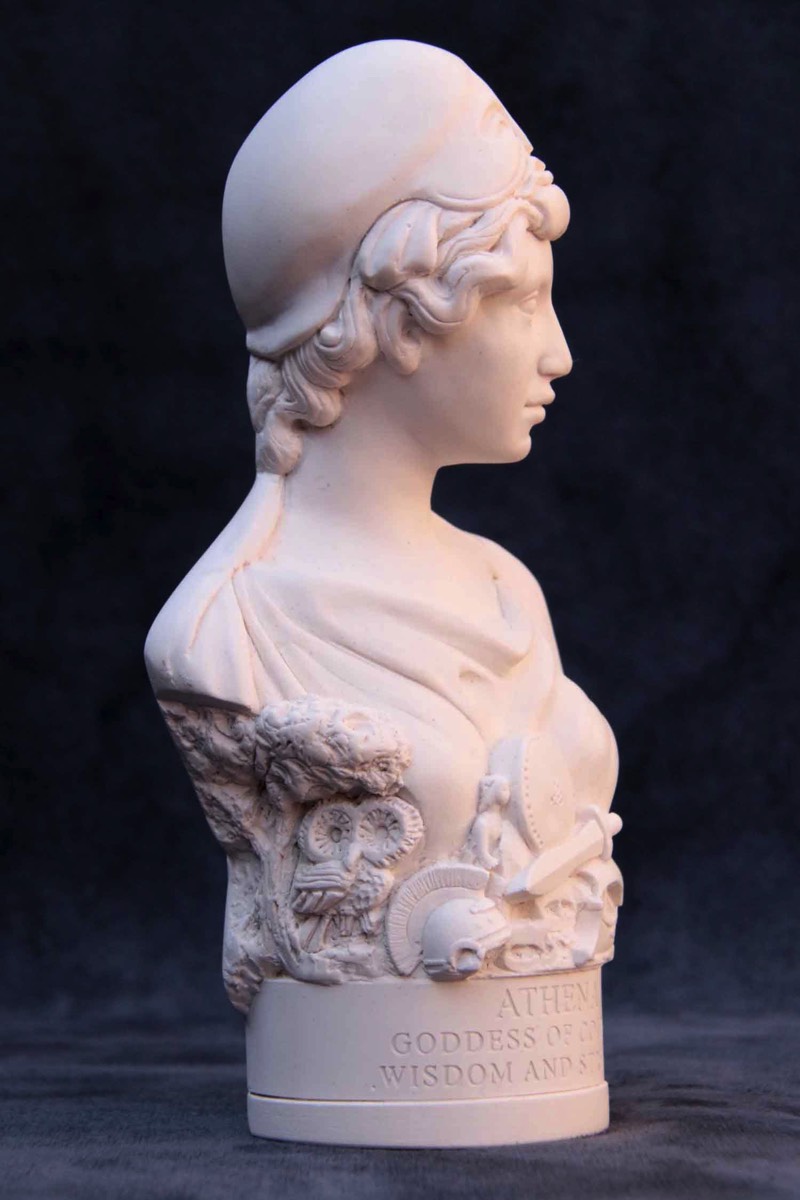
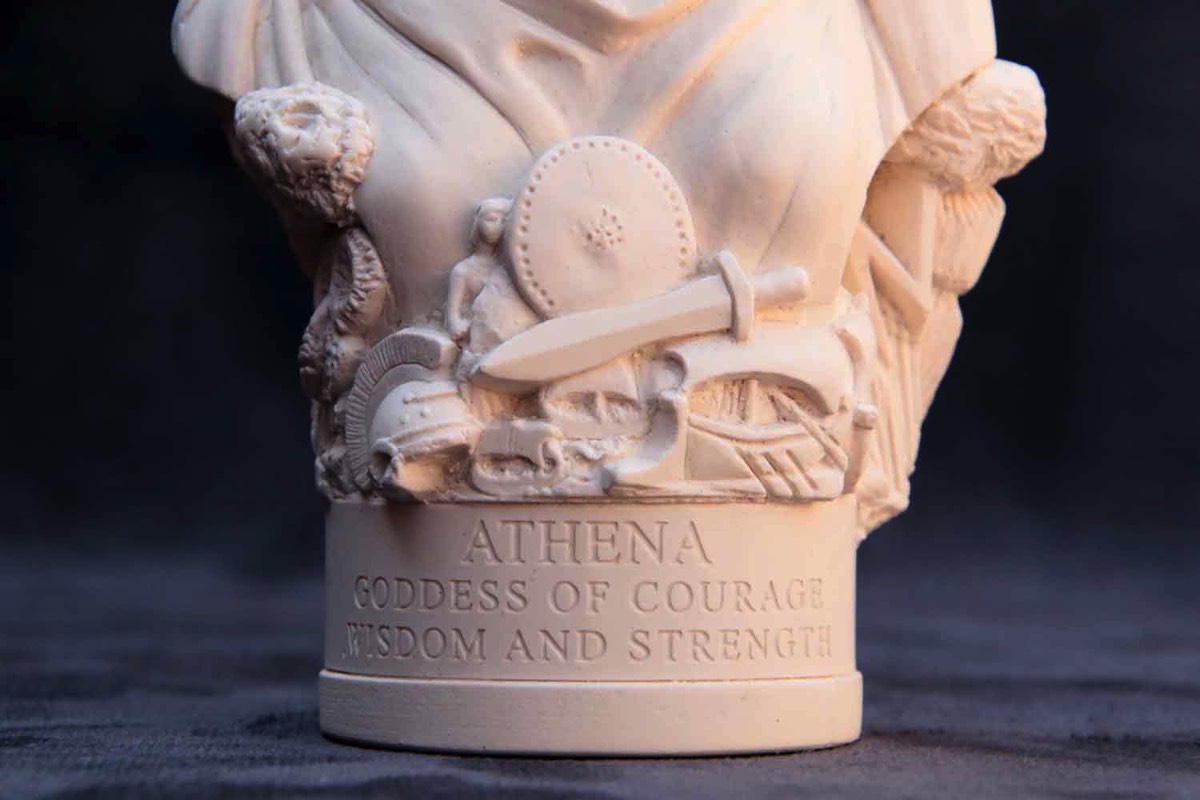
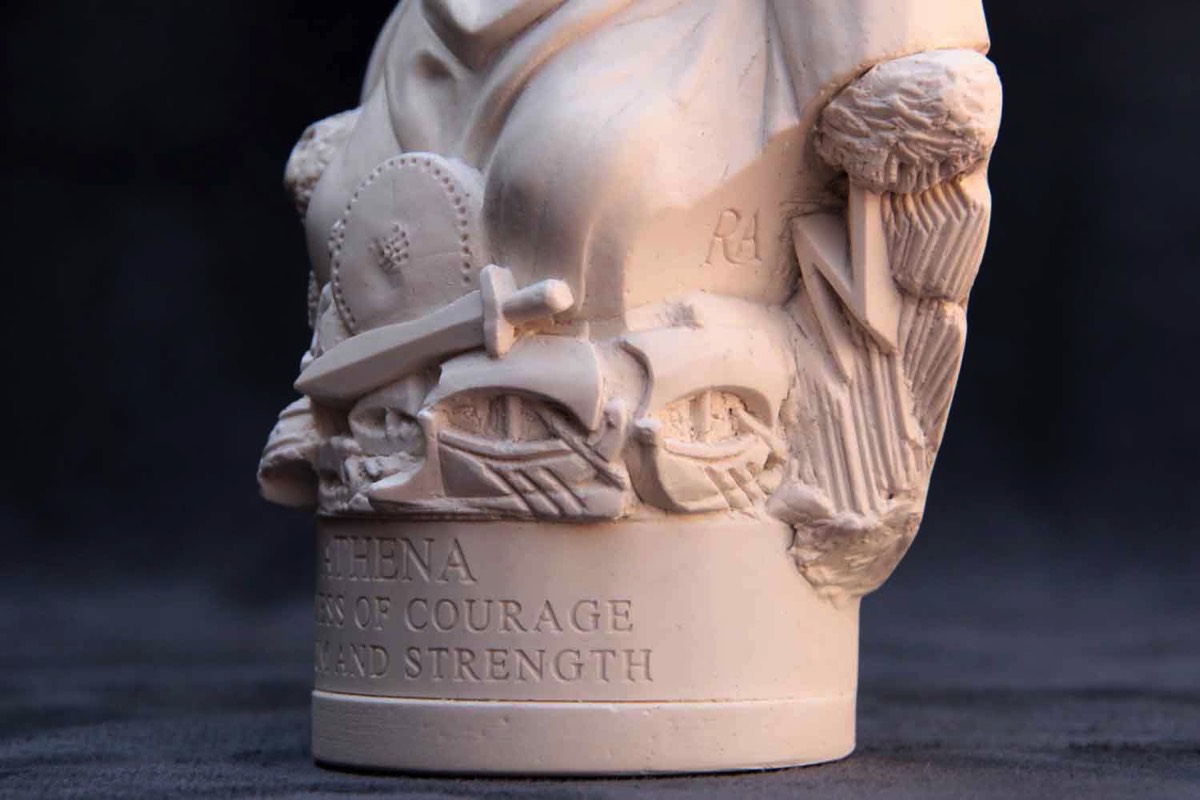
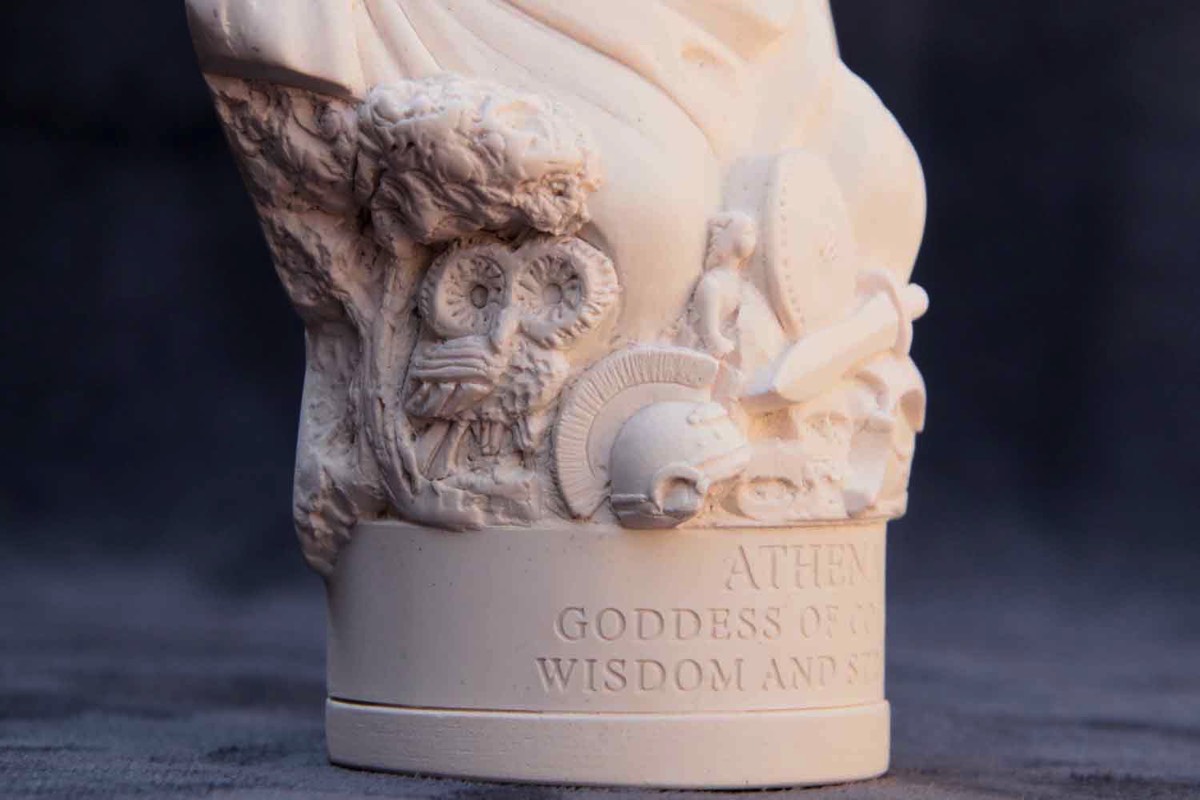
Goddess Athena
Bust of Greek Goddess Athena.
Athena was the daughter of Zeus;
Bust of Greek Goddess Athena.
Athena was the daughter of Zeus;
More Info
her birth is unique in that she did not have a mother.
Instead she sprang full grown and clad in armour from Zeus' forehead. She was fierce and brave in battle; however, she only took part in wars that defended the state and home from outside enemies.
As with all Famous Faces there are objects around the base. For this bust we have included symbols of the goddess - Dolphins, Dove, Roses, Scallop Shell, Wine and Grapes.
The etch around the base reads:
"GODDESS OF LOVE AND BEAUTY"
Height: 145mm
Width: 80mm
Depth: 40mm
Instead she sprang full grown and clad in armour from Zeus' forehead. She was fierce and brave in battle; however, she only took part in wars that defended the state and home from outside enemies.
As with all Famous Faces there are objects around the base. For this bust we have included symbols of the goddess - Dolphins, Dove, Roses, Scallop Shell, Wine and Grapes.
The etch around the base reads:
"GODDESS OF LOVE AND BEAUTY"
Height: 145mm
Width: 80mm
Depth: 40mm
Spring Figure
Pegan
This model is based on the Henri Gaudier-Brzeska Sleeping Fawn sculpture that is a firm favourite in the Kettle's Yard collection.
Pegan
This model is based on the Henri Gaudier-Brzeska Sleeping Fawn sculpture that is a firm favourite in the Kettle's Yard collection.
More Info
Autumn Figure
Pegan
The Gorgon’s Head is traditionally associated with the female Gorgon Medusa, a symbol of Minerva, yet the face has masculine features, sparking debate that it may depict a Celtic sun god or the water deity Oceanus.
Pegan
The Gorgon’s Head is traditionally associated with the female Gorgon Medusa, a symbol of Minerva, yet the face has masculine features, sparking debate that it may depict a Celtic sun god or the water deity Oceanus.
More Info
This model has inscriptions of the Roman Baths around all four sides of the cube of this Paperweight.
Spring Figure
Pegan
This model is based on the Henri Gaudier-Brzeska Sleeping Fawn sculpture that is a firm favourite in the Kettle's Yard collection.
Pegan
This model is based on the Henri Gaudier-Brzeska Sleeping Fawn sculpture that is a firm favourite in the Kettle's Yard collection.
More Info
Autumn Figure
Pegan
The Gorgon’s Head is traditionally associated with the female Gorgon Medusa, a symbol of Minerva, yet the face has masculine features, sparking debate that it may depict a Celtic sun god or the water deity Oceanus.
Pegan
The Gorgon’s Head is traditionally associated with the female Gorgon Medusa, a symbol of Minerva, yet the face has masculine features, sparking debate that it may depict a Celtic sun god or the water deity Oceanus.
More Info
This model has inscriptions of the Roman Baths around all four sides of the cube of this Paperweight.