
Gustav Vigeland
Sculpture Adaptations
Gustav Vigeland (1869–1943) was Norway’s most significant sculptor, best known for the Vigeland installation at Frogner Park, Oslo, a unique sculptural environment of more than 200 works.
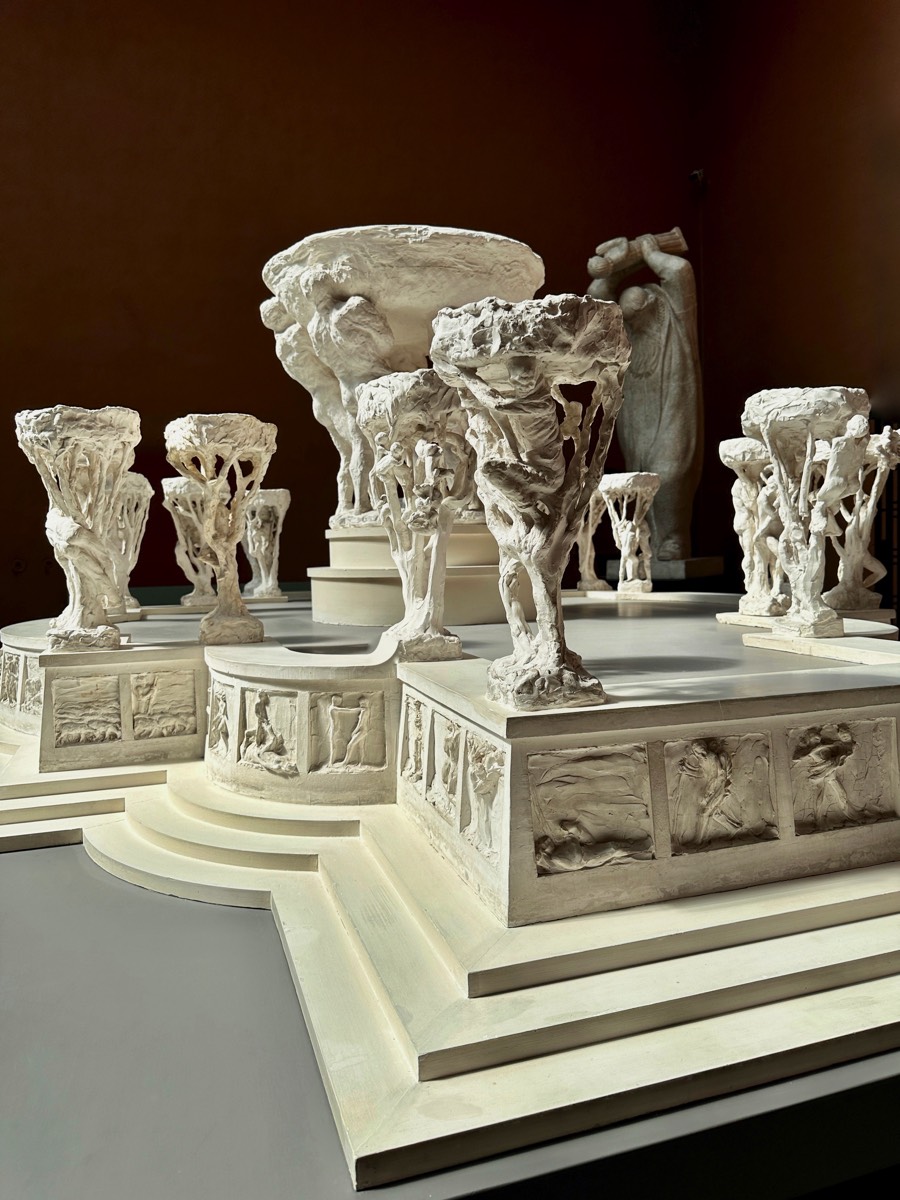
The Vigeland Museum preserves the original plaster models, offering insight into his artistic process.
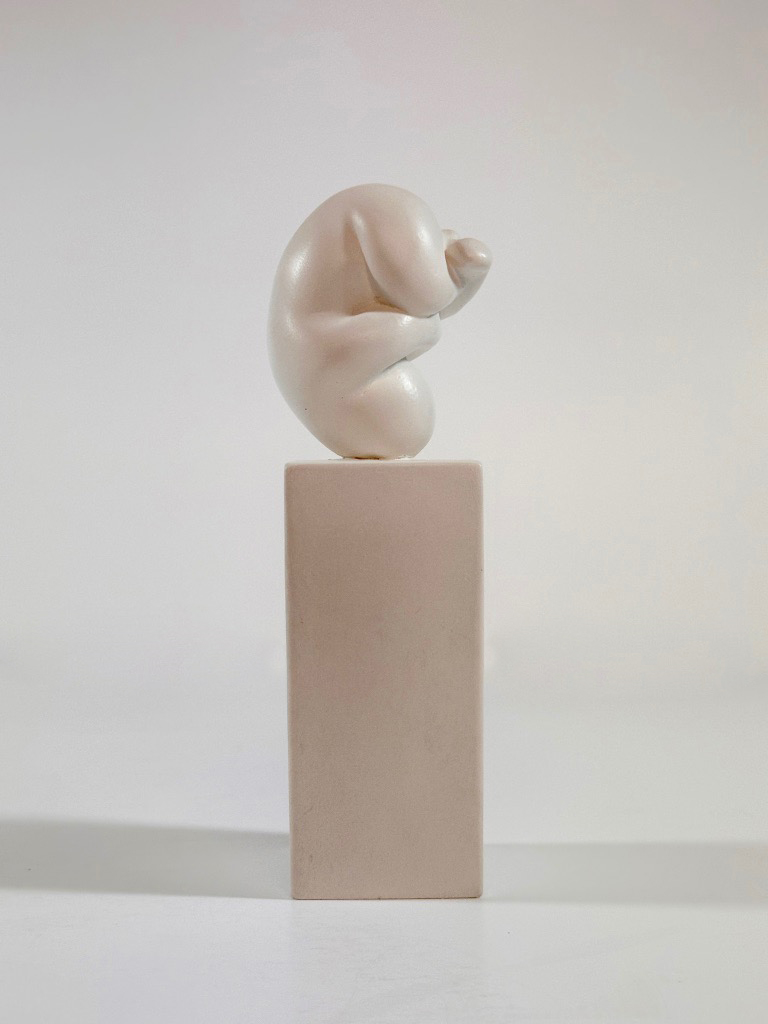
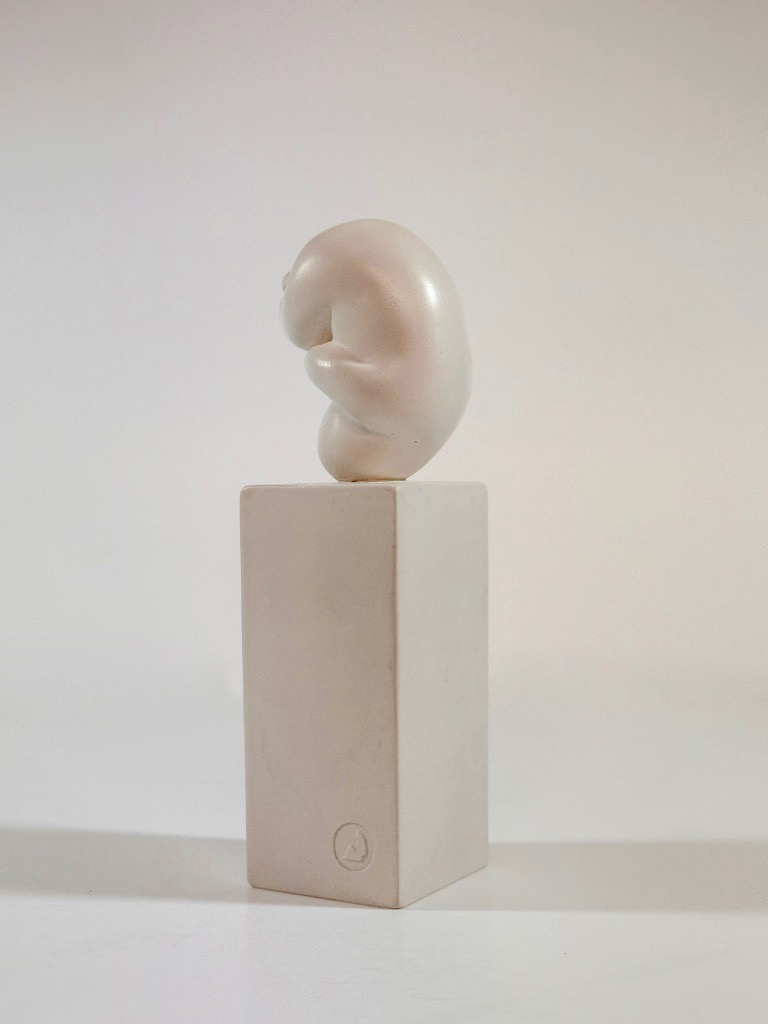
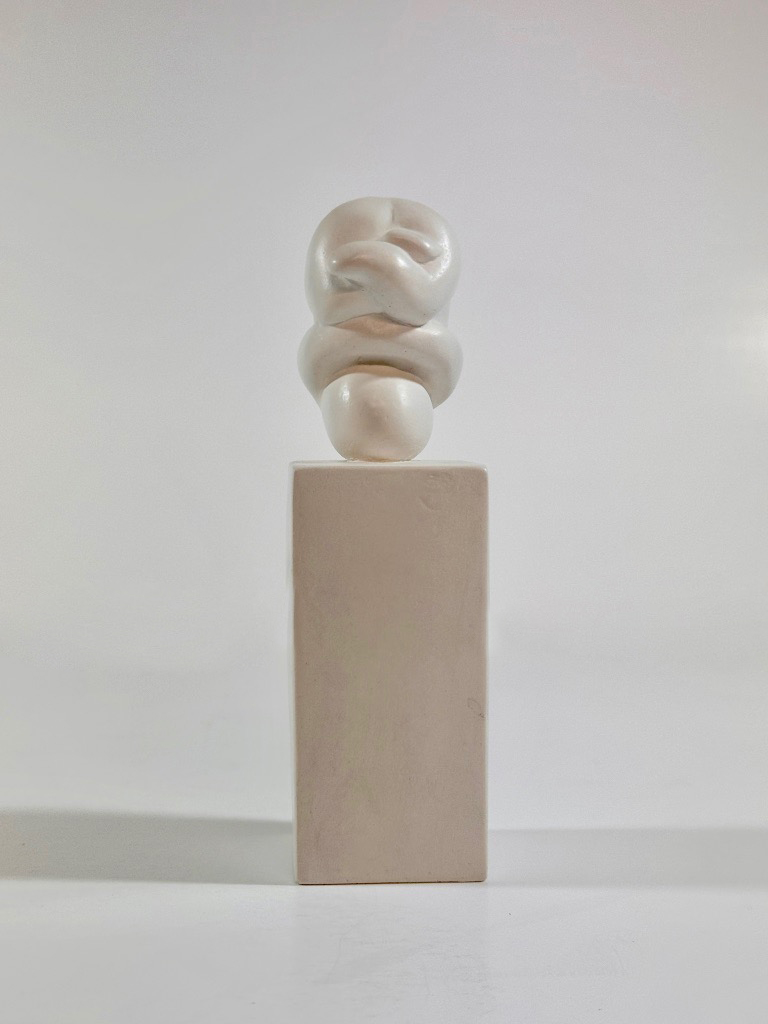
The objects presented here are adaptations based on motifs from his work.
Gustav Vigeland’s work can be seen in dialogue with other European sculptors of his time, such as Auguste Rodin, in his exploration of the human body and emotional expression. At the same time, the scale and coherence of his work remain unique.
The Vigeland installation in Frogner Park, the largest park in central parts of Oslo, is the only sculpture park in the world created entirely by a single artist, and together with the Vigeland Museum, which is also dedicated entirely to Vigeland's work, it forms a unique site dedicated to one artistic vision.
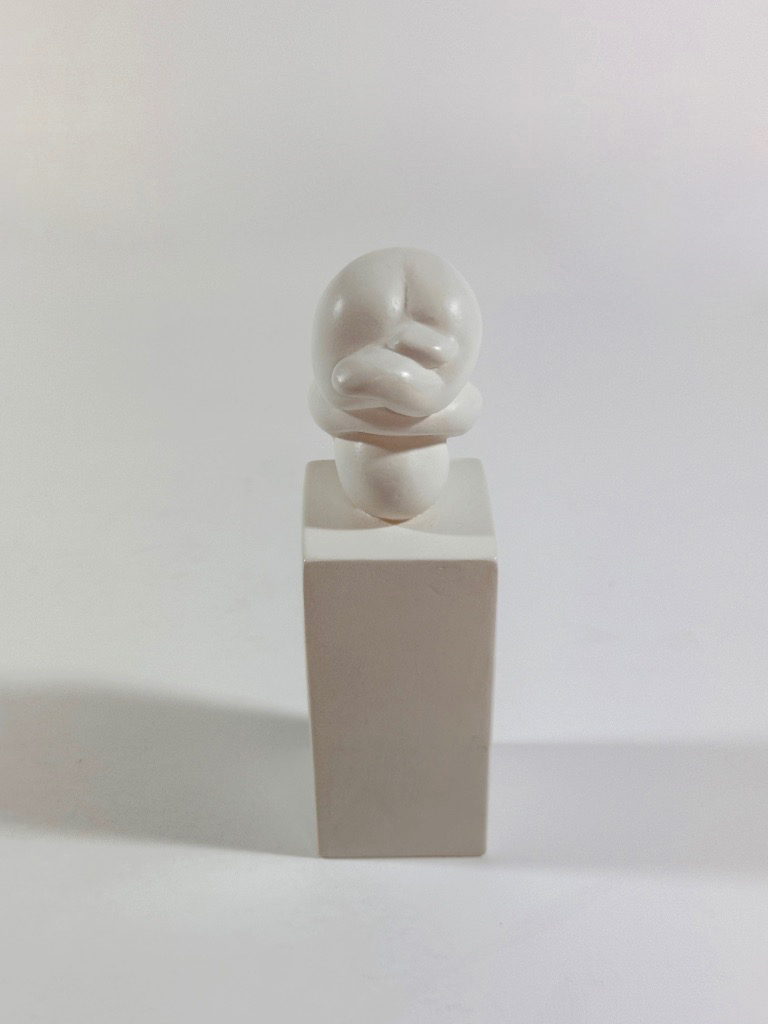
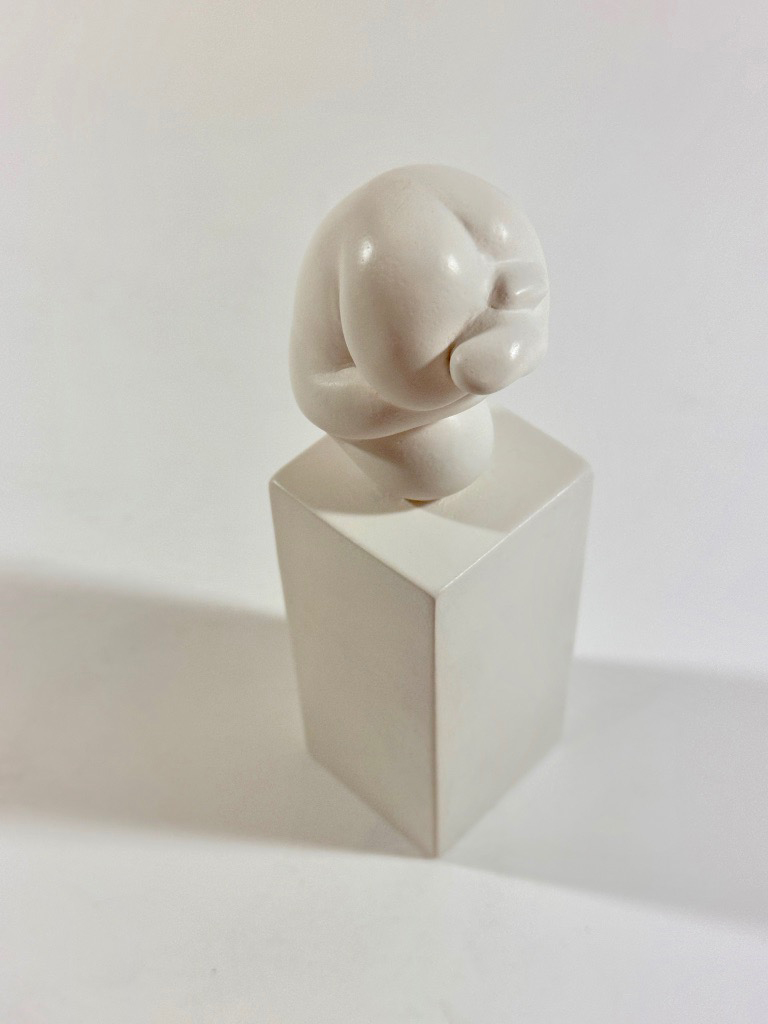
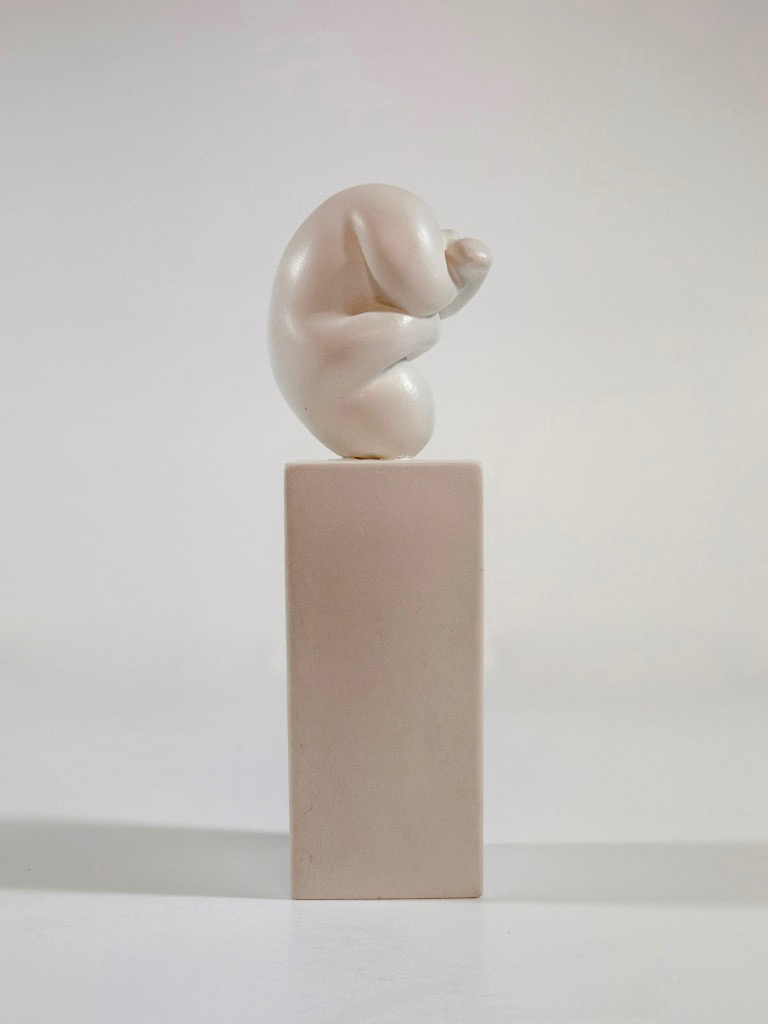
Click on the image to enlarge.
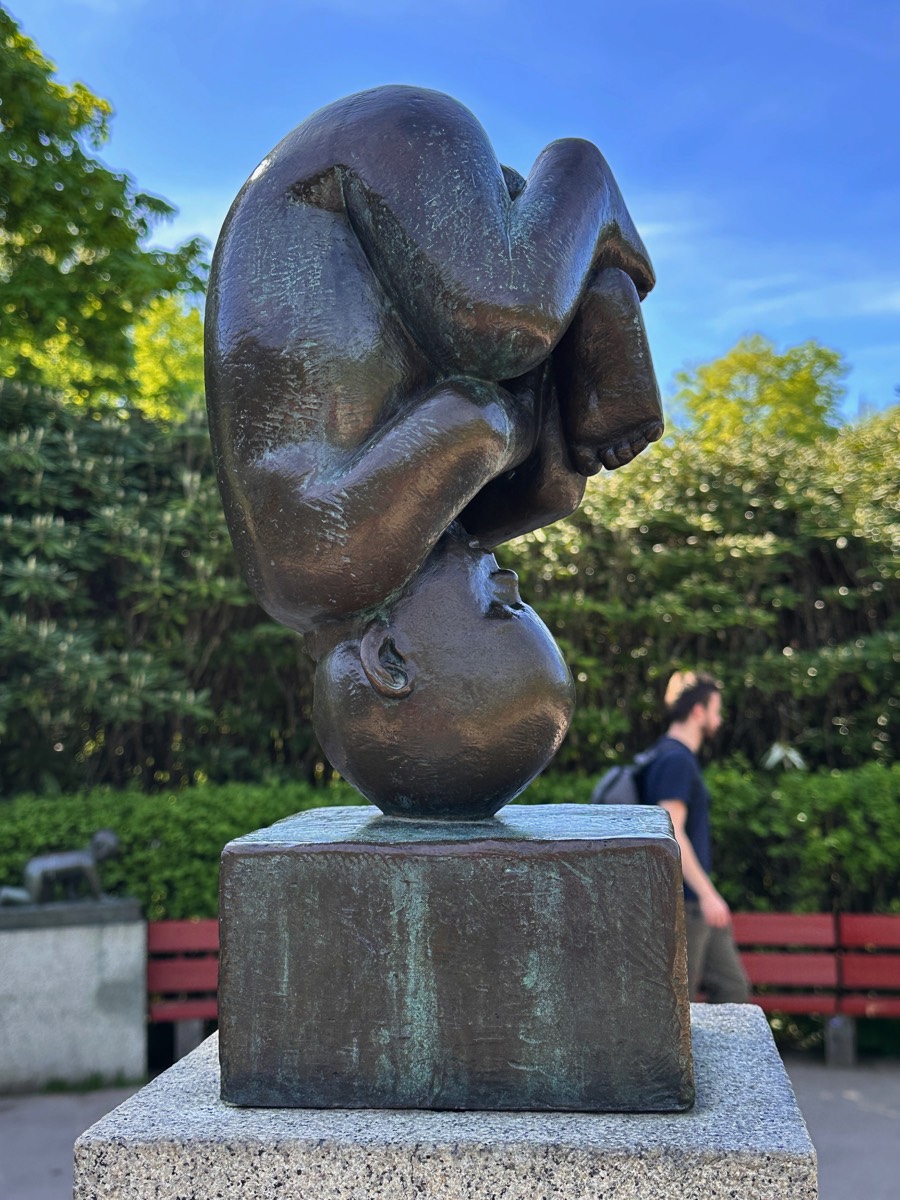
The Foetus is located at the southern end of the bridge in the Vigeland Installation in Frogner Park, Oslo. Positioned at the beginning of the sculptural sequence, it represents the starting point of the human life cycle.
The figure lies at the centre of a circular composition, surrounded by young children in various poses. Together, they form an early stage in Vigeland’s depiction of human development.
The motif reflects Vigeland’s interest in the origins of life – a beginning, both physical and symbolic – and introduces the broader narrative of growth, movement and transformation that unfolds throughout the park.
Click on the image to enlarge.
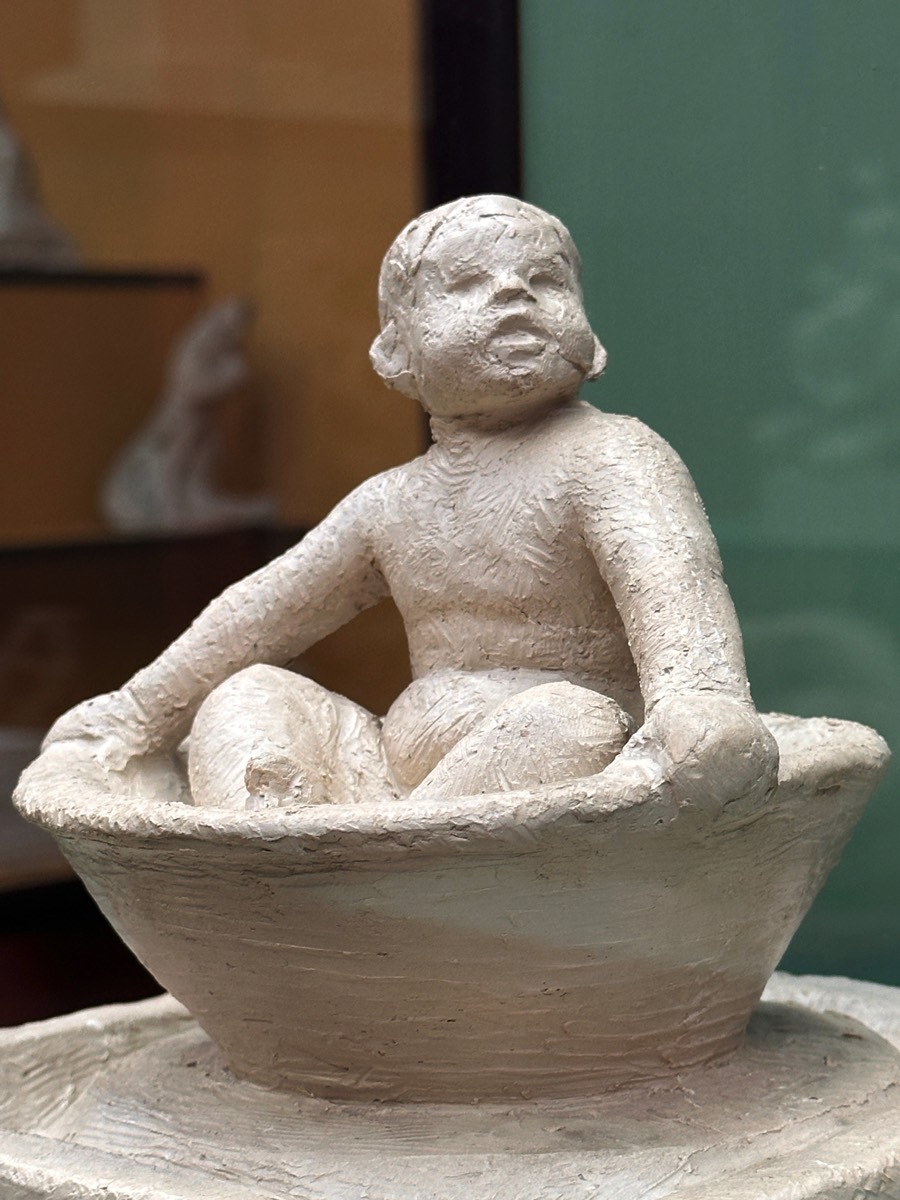
On the first floor of the Vigeland Museum, a varied collection of maquettes and small sculptures is on display, offering insight into Vigeland’s working process.
These works were never realised as large-scale sculptures, but belong to his broader motif circle – part of an ongoing search for form.
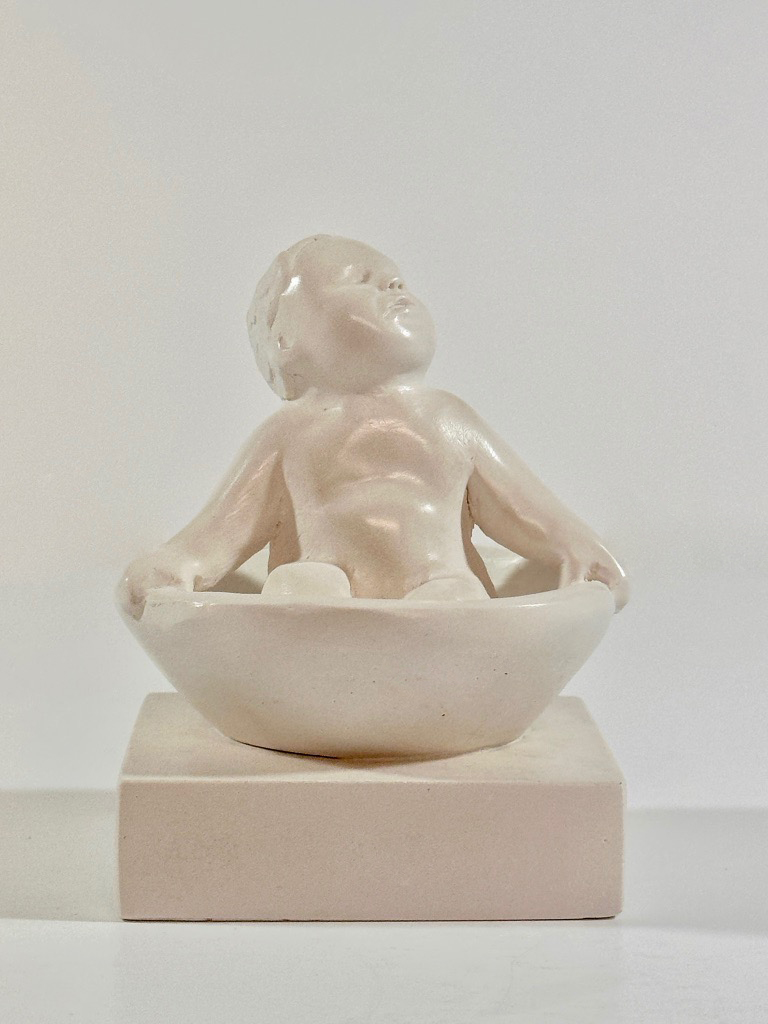
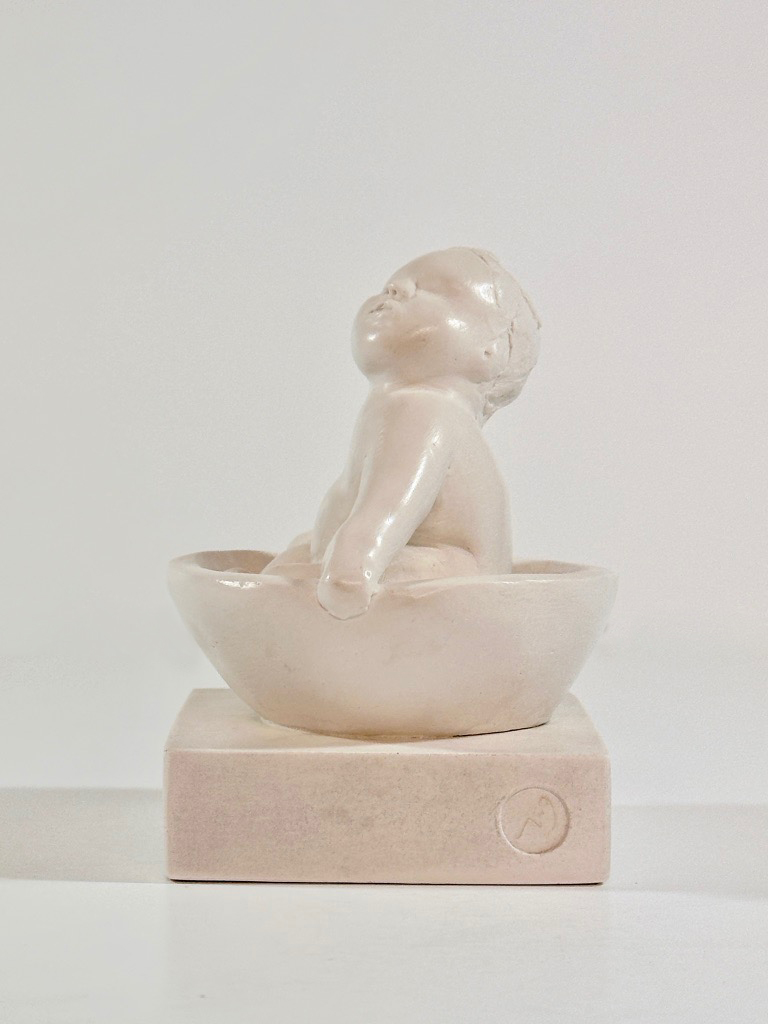
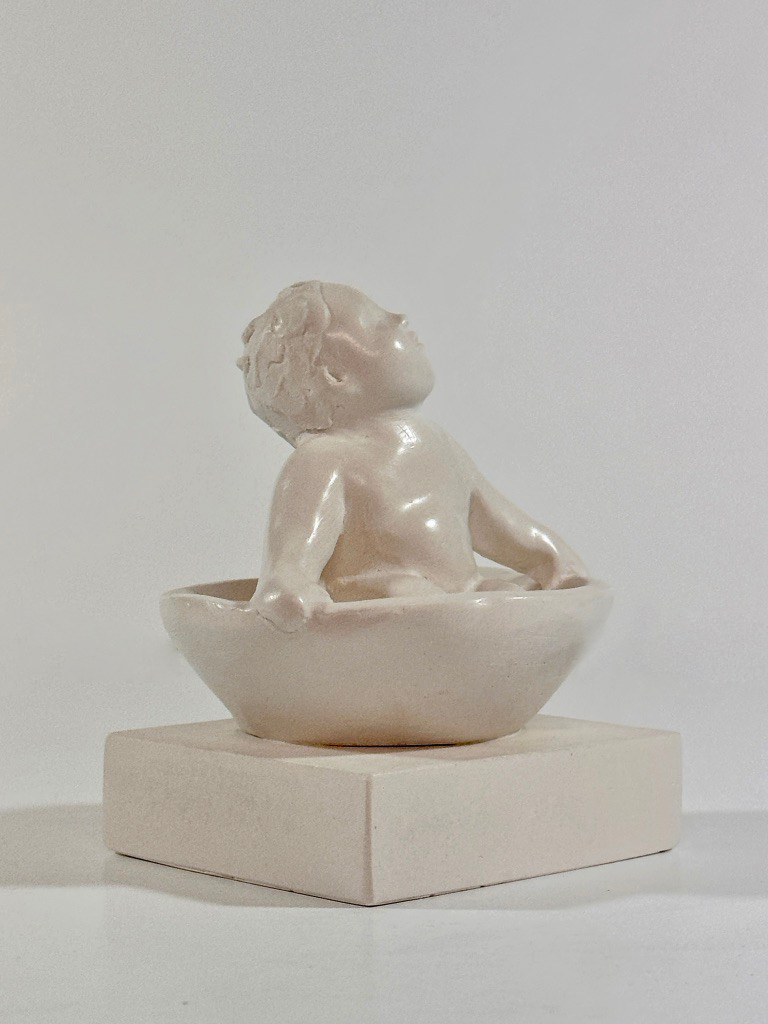
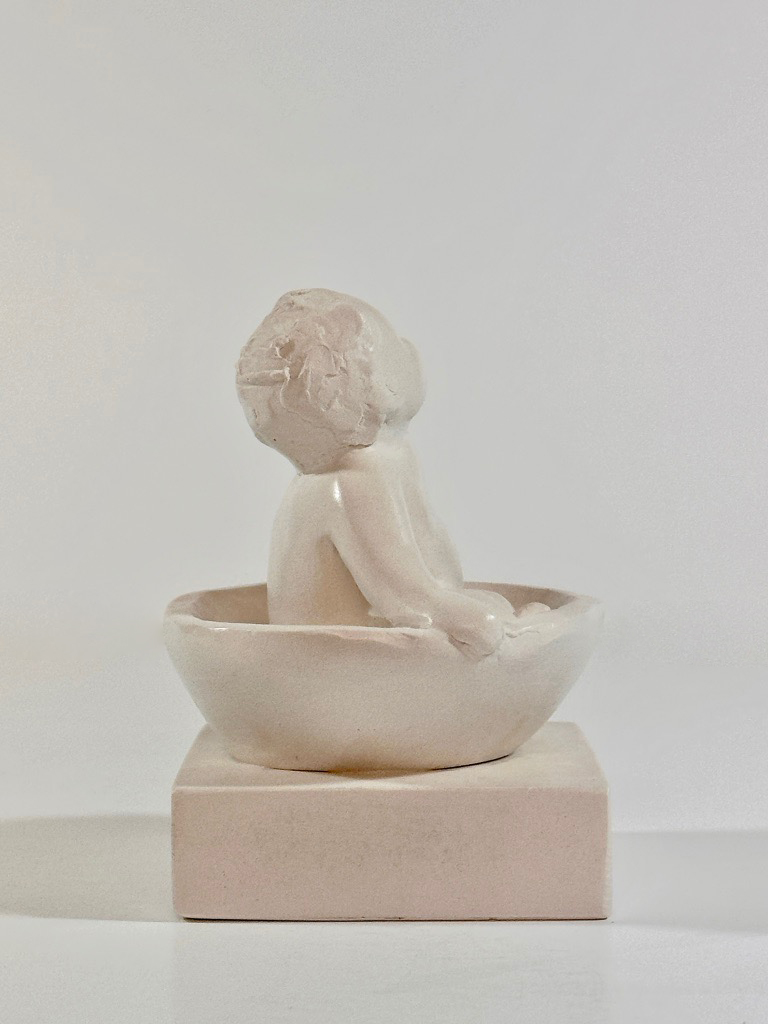
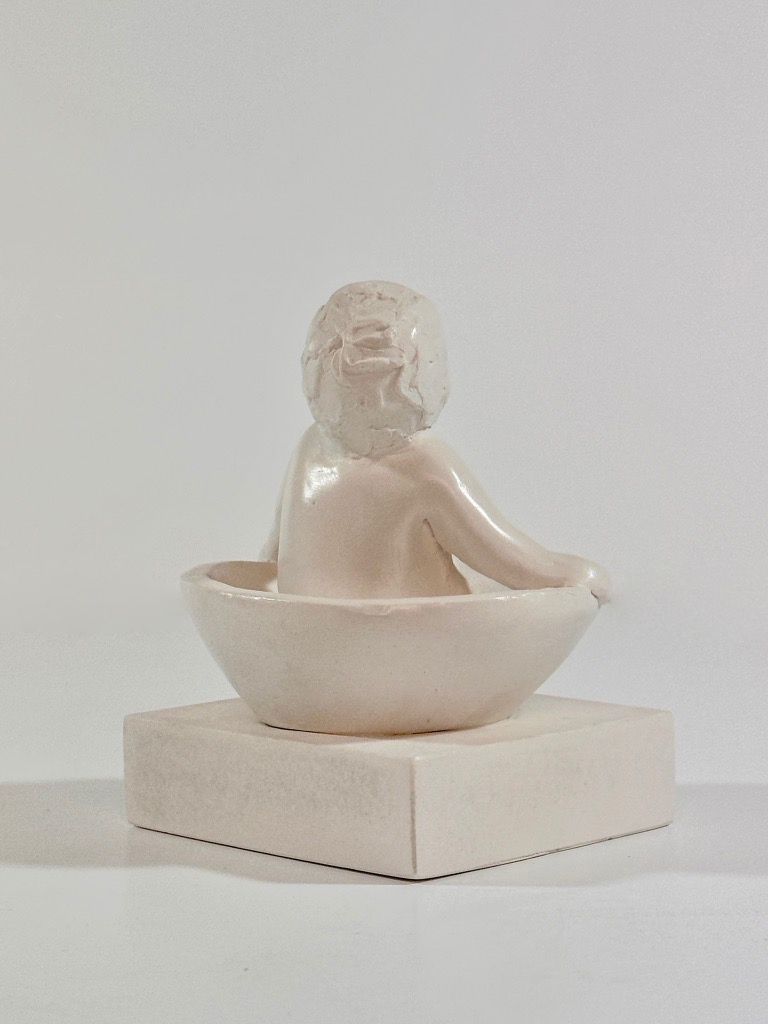
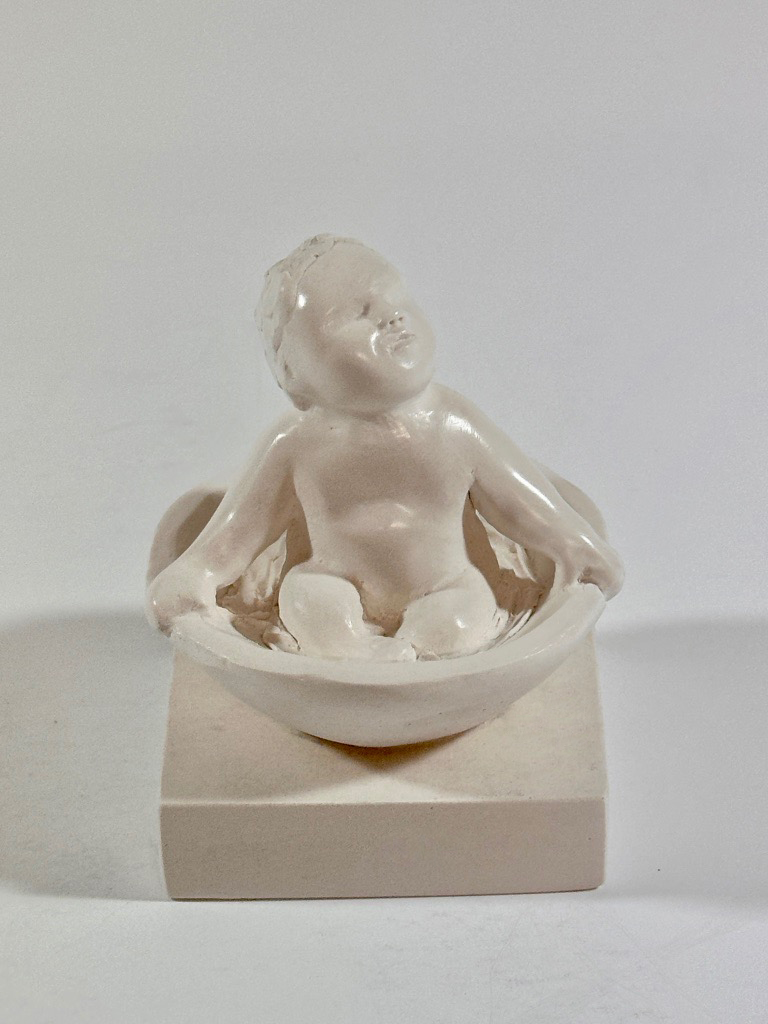
Baby in the Tub is one of these pieces. It reflects Vigeland’s recurring use of the child as a motif, symbolising the idea of new life, a beginning, and the early stages of human existence.
The work conveys a sense of closeness and warmth, and offers a glimpse into the more exploratory and reflective side of Vigeland’s practice.
Click on the image to enlarge.
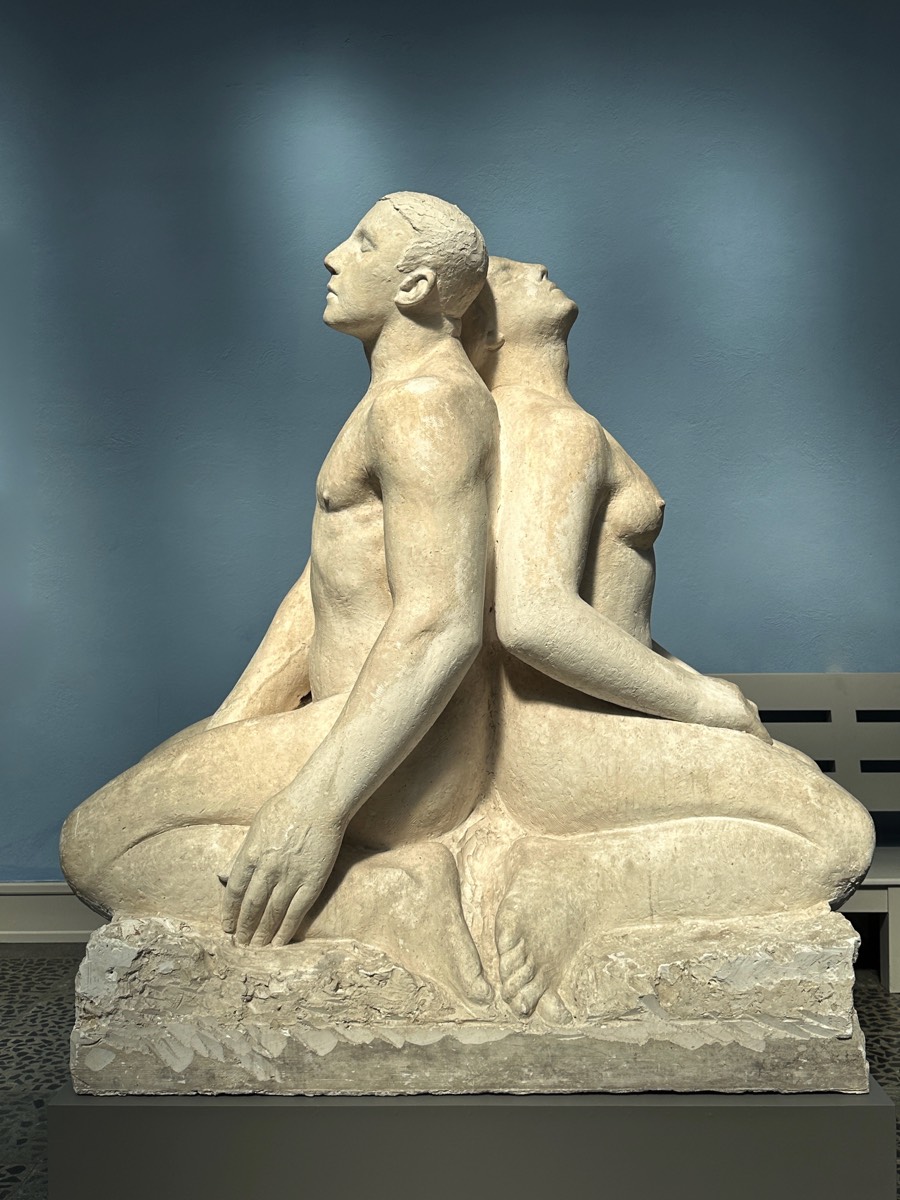
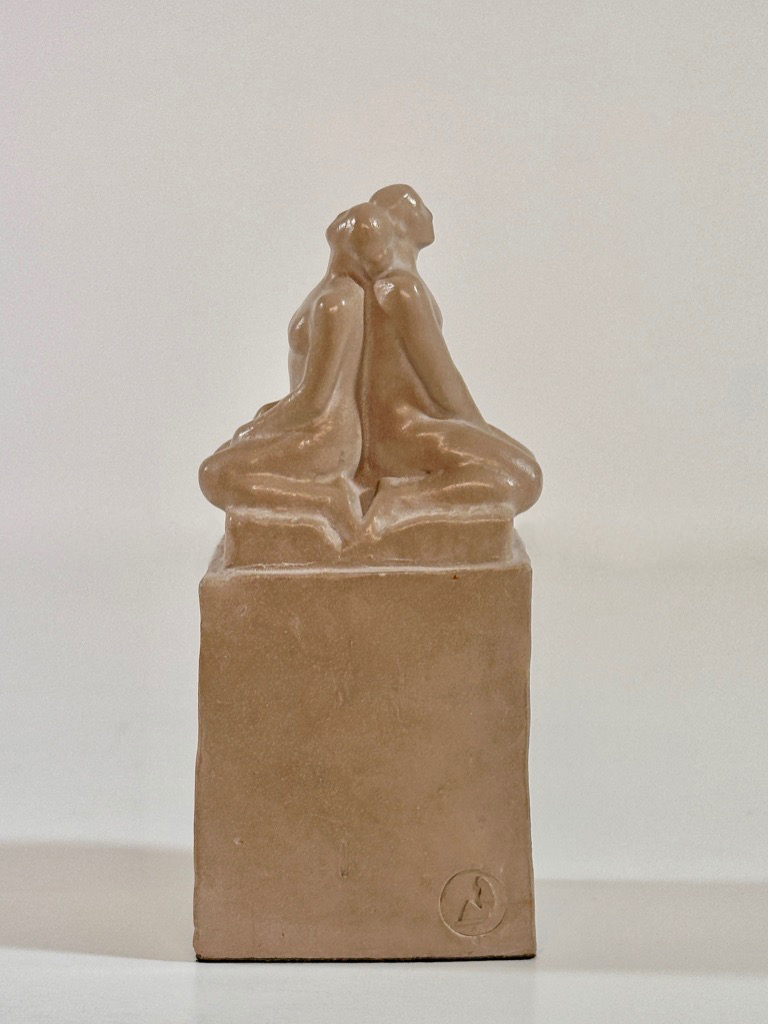
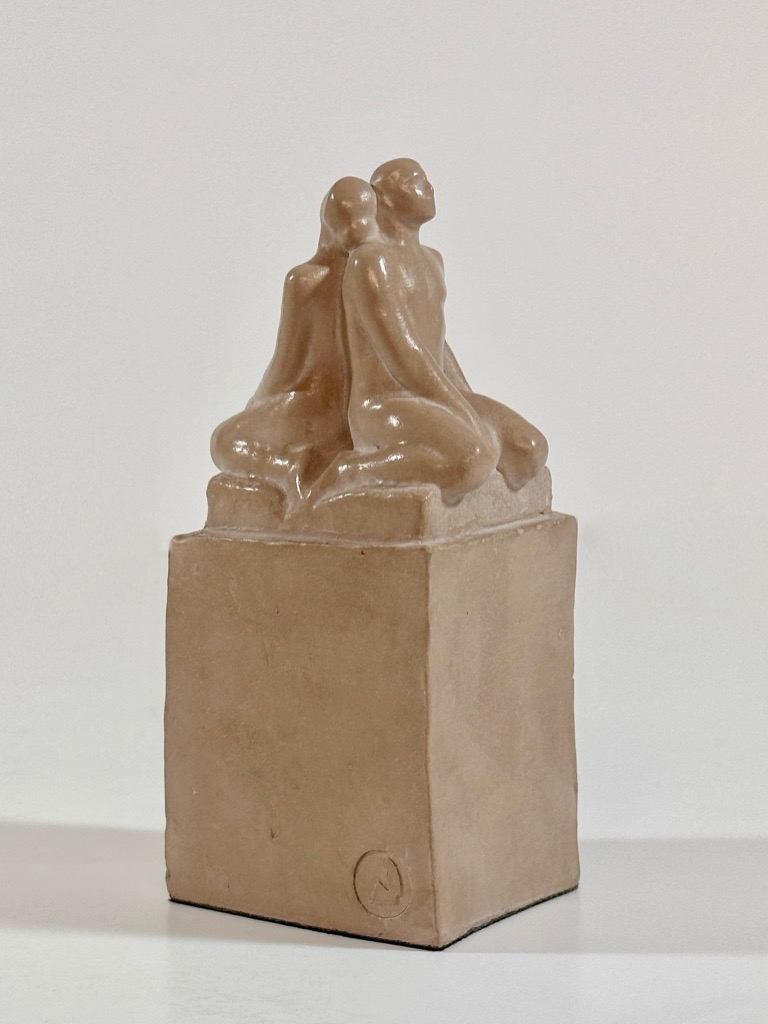
Love & Hope is one of the sculptures by Gustav Vigeland, represented in plaster at the Vigeland Museum, where the original models for the park are preserved.
The sculpture can also be found in granite on the Monolith Plateau in Frogner Park, where it is part of a group of 36 granite sculptures forming the central sculptural composition around the monolith.
The work expresses closeness and connection, where two figures meet and momentarily become one.
Vigeland’s ability to convey human relationships through form is a defining aspect of his work.
Gustav Vigeland
Sculpture Adaptations
Gustav Vigeland (1869–1943) was Norway’s most significant sculptor, best known for the Vigeland installation at Frogner Park, Oslo, a unique sculptural environment of more than 200 works.
The Vigeland Museum preserves the original plaster models, offering insight into his artistic process.
The objects presented here are adaptations based on motifs from his work.
Gustav Vigeland’s work can be seen in dialogue with other European sculptors of his time, such as Auguste Rodin, in his exploration of the human body and emotional expression. At the same time, the scale and coherence of his work remain unique.
The Vigeland installation in Frogner Park, the largest park in central parts of Oslo, is the only sculpture park in the world created entirely by a single artist, and together with the Vigeland Museum, which is also dedicated entirely to Vigeland's work, it forms a unique site dedicated to one artistic vision.
Click on the image to enlarge.
The Foetus is located at the southern end of the bridge in the Vigeland Installation in Frogner Park, Oslo. Positioned at the beginning of the sculptural sequence, it represents the starting point of the human life cycle.
The figure lies at the centre of a circular composition, surrounded by young children in various poses. Together, they form an early stage in Vigeland’s depiction of human development.
The motif reflects Vigeland’s interest in the origins of life – a beginning, both physical and symbolic – and introduces the broader narrative of growth, movement and transformation that unfolds throughout the park.
Click on the image to enlarge.
On the first floor of the Vigeland Museum, a varied collection of maquettes and small sculptures is on display, offering insight into Vigeland’s working process.
These works were never realised as large-scale sculptures, but belong to his broader motif circle – part of an ongoing search for form.
Baby in the Tub is one of these pieces. It reflects Vigeland’s recurring use of the child as a motif, symbolising the idea of new life, a beginning, and the early stages of human existence.
The work conveys a sense of closeness and warmth, and offers a glimpse into the more exploratory and reflective side of Vigeland’s practice.
Click on the image to enlarge.
Love & Hope is one of the sculptures by Gustav Vigeland, represented in plaster at the Vigeland Museum, where the original models for the park are preserved.
The sculpture can also be found in granite on the Monolith Plateau in Frogner Park, where it is part of a group of 36 granite sculptures forming the central sculptural composition around the monolith.
The work expresses closeness and connection, where two figures meet and momentarily become one.
Vigeland’s ability to convey human relationships through form is a defining aspect of his work.